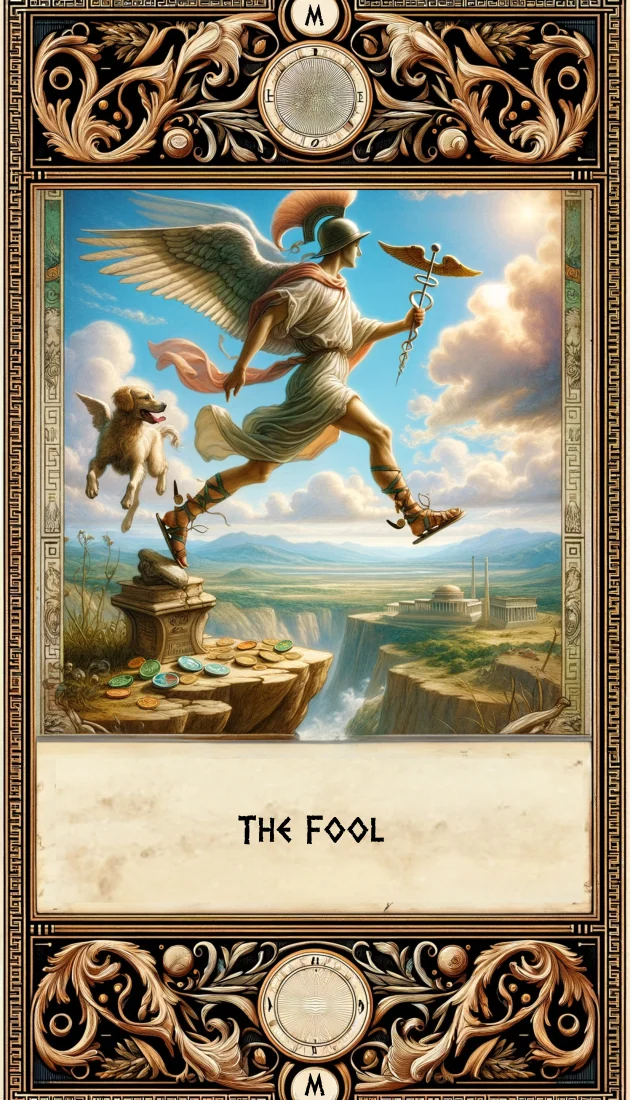
ბევრ კულტურაში ზღურბლს საკუთარი ღმერთი ჰყავს. ბერძნებს — ჰერმესი, რომაელებს — იანუსი. ორივე ერთსა და იმავეს გვასწავლის: გადასვლა ცალკე მდგომარეობაა, რომელსაც მცველი სჭირდება.
ჰერმესი: გზის ღმერთი
ჰერმესი გზების, მოგზაურების, ვაჭრებისა და მაცნეების ღმერთია. ჰომეროსულ ჰიმნში ის დაბადების დღესვე აპოლონს ძროხებს მოპარავს და კუს ბაკანისგან ლირას გამოიგონებს — კონფლიქტს გაცვლად აქცევს. „ოდისეას“ ბოლო სიმღერაში ის მოკლულ სასიძოთა სულებს ქვესკნელში მიუძღვება: ფსიქოპომპოსი, სულთა გამცილებელი.[1][2]
ათენში ქუჩებსა და კარებთან „ჰერმები“ იდგა — ქვის სვეტები ჰერმესის თავით. ძვ. წ. 415 წელს, სიცილიაში ლაშქრობის წინ, ერთ ღამეში ბევრი მათგანი დაამახინჯეს. ათენელებმა ეს სახელმწიფოს წინააღმდეგ შეთქმულების ნიშნად აღიქვეს (თუკიდიდე, VI.27).[3]
იანუსი: კარის ღმერთი
იანუსი ორსახიანია — ერთი სახე წინ იყურება, მეორე — უკან. მისი სახელი ლათინურ janua-ს, „კარს“, უკავშირდება; მის სახელს ატარებს წლის პირველი თვე, იანვარი. რომის ფორუმზე მის ტაძარს ორი კარი ჰქონდა: ომის დროს ღია იყო, მშვიდობისას — დახურული.
ავგუსტუსი თავის „საქმეებში“ (Res Gestae, 13) ამაყობს, რომ ქალაქის დაარსებიდან მის დრომდე კარი მხოლოდ ორჯერ დაიხურა, მისი მმართველობისას კი სენატმა სამჯერ გადაწყვიტა მისი დახურვა.[4]
ზღურბლი, როგორც მდგომარეობა
1909 წელს არნოლდ ვან გენეპმა „გადასვლის რიტუალებში“ შენიშნა, რომ დაბადება, ქორწინება, ინიციაცია და სიკვდილი ერთი სქემით მიმდინარეობს: გამოყოფა, ზღურბლი და ახალ მდგომარეობაში შესვლა. შუა ფაზას მან „ლიმინალური“ უწოდა — ლათინური limen-იდან, „ზღურბლი“. ვიქტორ ტერნერმა მოგვიანებით ის „არც იქ, არც აქ“ მდგომარეობად აღწერა.[5]
ჰერმესი და იანუსი ამ შუა ფაზის მცველები არიან. ისინი არ გეუბნებიან, სად უნდა წახვიდე — გზას აჩვენებენ და ნაბიჯს შენ გიტოვებენ. ILLUMINISMO-ს ტაროში ჰერმესი სწორედ ამიტომ ხსნის გზას — პირველი კარტია.
🎧 „Ἄγγελός εἰμι μεταξὺ κόσμων — Hermes“ — ILLUMINISMO-ს ძველბერძნული ინვოკაცია ჰერმესზე.
რა არ ვიცით
ჰერმესის სახელის წარმომავლობა სადავოა: ზოგი მას ქვების გროვას (herma) უკავშირებს, რომლითაც გზებს ნიშნავდნენ, მაგრამ ეს დაუმტკიცებელია. ასევე ღიაა, რამდენად ძველია იანუსის ორსახიანი გამოსახულება და რა ჰქონდა მის კულტს რომამდელ იტალიაში.
In many cultures the threshold has its own god. For the Greeks it was Hermes, for the Romans Janus. Both teach the same thing: crossing is a state of its own, and it needs a guardian.
Hermes: god of the road
Hermes is the god of roads, travellers, traders and messengers. In the Homeric Hymn he steals Apollo’s cattle on the day of his birth and invents the lyre from a tortoise shell — turning a conflict into an exchange. In the last book of the Odyssey he leads the souls of the dead suitors to the underworld: psychopompos, guide of souls.[1][2]
In Athens, herms — stone pillars topped with the head of Hermes — stood at doors and crossroads. In 415 BCE, before the expedition to Sicily, many were mutilated in a single night. Athenians took it as a sign of a conspiracy against the state (Thucydides VI.27).[3]
Janus: god of the door
Janus has two faces — one looking forward, one back. His name is linked to Latin janua, “door”; the first month of the year, January, carries it. His temple in the Roman Forum had two doors: open in war, closed in peace.
In his Res Gestae (13), Augustus boasts that from the founding of the city to his time the doors had been closed only twice, while under his leadership the senate decreed their closing three times.[4]
The threshold as a state
In 1909 Arnold van Gennep observed in The Rites of Passage that birth, marriage, initiation and death follow one pattern: separation, threshold, incorporation into a new state. He called the middle phase “liminal”, from Latin limen, “threshold”. Victor Turner later described it as “betwixt and between”.[5]
Hermes and Janus guard that middle phase. They do not tell you where to go; they show the way and leave the step to you. That is why Hermes opens the road in the ILLUMINISMO tarot — he is the first card.
🎧 “Ἄγγελός εἰμι μεταξὺ κόσμων — Hermes” — ILLUMINISMO’s Ancient Greek invocation to Hermes.
What we don’t know
The origin of Hermes’ name is disputed: some link it to the stone heaps (herma) that marked roads, but this is unproven. It is also open how old the two-faced image of Janus is and what his cult was like in Italy before Rome.
წყაროებიSources
- Homeric Hymn 4 to Hermes.
- Homer, Odyssey 24.1–14.
- Thucydides, History of the Peloponnesian War VI.27–28.
- Augustus, Res Gestae Divi Augusti 13; trans. A. E. Cooley (Cambridge, 2009). Livy 1.19.
- A. van Gennep, Les rites de passage (1909); V. Turner, “Betwixt and Between: The Liminal Period in Rites de Passage” (1967).
თემა, წყაროების შერჩევა და დასკვნები — ნიკა ხუცურაული. კვლევასა და თარგმანში დახმარებისთვის გამოყენებულია AI; ყოველი ფაქტი წყაროსთან შემოწმდა.Topic, choice of sources and conclusions — Nika Khutsurauli. AI was used to help with research and translation; every fact was checked against its source.