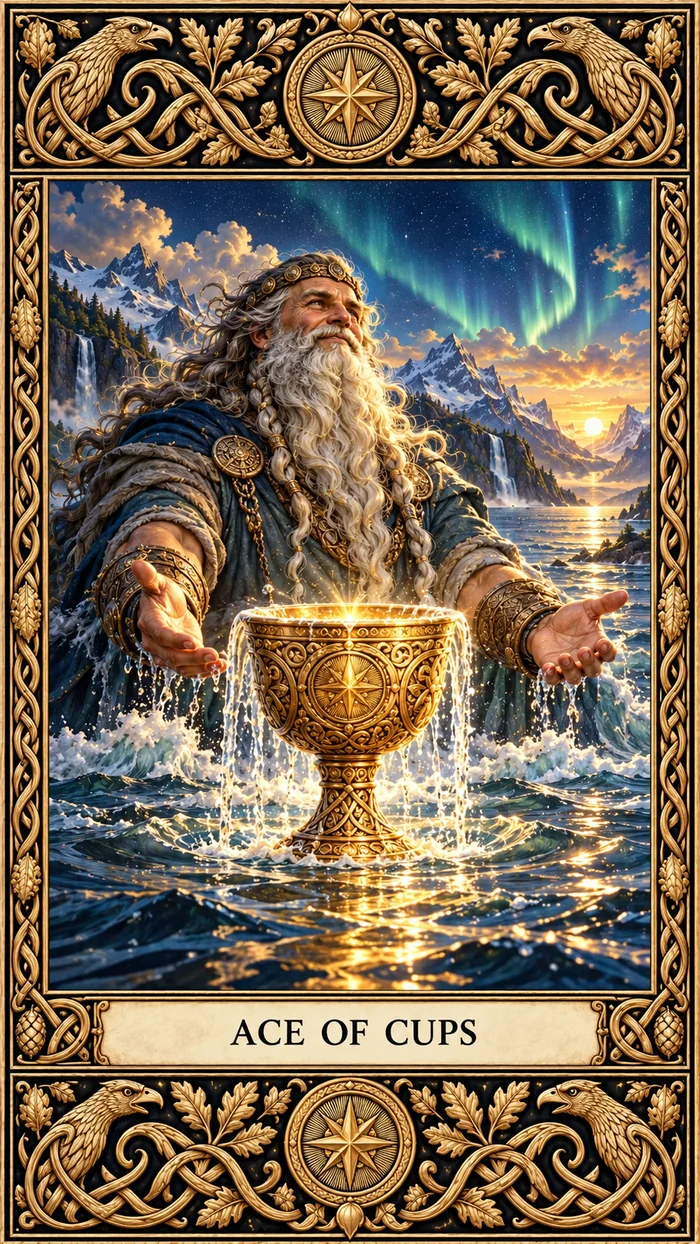
სკანდინავიურ მითოლოგიაში ზღვას ორი სახე აქვს. ეგირი მასპინძელია — ღმერთებს ლუდით უმასპინძლდება. რანი მონადირეა — ბადით მეზღვაურებს იჭერს. ერთად ისინი ზღვის ორ გამოცდილებას აღწერენ: სიმდიდრეს და დაღუპვას.
ეგირი: ზღვა, როგორც დარბაზი
ეგირი იოტუნია — გიგანტების მოდგმის და არა ღმერთების. მაინც ის ღმერთების მასპინძელია: „ლოკასენა“ — ლოკის კამათი ღმერთებთან — მის დარბაზში ხდება, ხოლო „ჰიმისკვიდაში“ თორი გიგანტური ქვაბის მოსატანად მიდის, რომ ეგირმა ლუდი მოადუღოს.[1]
სნორი სტურლუსონის „სკალდური ენის“ (Skáldskaparmál) 33-ე თავი ხსნის, რატომ უწოდებენ პოეტები ოქროს „ეგირის ცეცხლს“: მის დარბაზს ჩირაღდნები კი არა, ბრწყინვალე ოქრო ანათებდა.[2]
რანი: ზღვა, როგორც ბადე
რანი ეგირის მეუღლეა და ზღვის საშიში მხარე. მისი მთავარი ნიშანი ბადეა, რომლითაც ზღვაში წასულებს იჭერს. „რეგინსმალის“ პროზაულ შესავალში და „ვოლსუნგების საგაში“ ლოკი რანს ბადეს სესხულობს, რომ ჯუჯა ანდვარი დაიჭიროს.[1][3]
X საუკუნის ისლანდიელი სკალდი ეგილ სკალაგრიმსონი ლექსში „Sonatorrek“ („ვაჟების დაკარგვა“) ზღვაში დაღუპულ შვილს დასტირის და ამბობს, რომ რანმა ბევრი რამ წაართვა. ზოგი მკვლევარი რანს ზღვის ფსკერზე მკვდართა სამყაროს მბრძანებლად მიიჩნევს — დახრჩობილები მასთან მიდიან.[4]
ცხრა ქალიშვილი
ეგირსა და რანს ცხრა ქალიშვილი ჰყავთ — ტალღები. მათი სახელები ტალღის პოეტური სინონიმებია. „სკალდურ ენაში“ ზღვის აღსაწერად გვხვდება „რანის ქმარი“, „ეგირის ქალიშვილების მამა“ და „რანისა და ეგირის ქალიშვილების ქვეყანა“.
ბერძნულ მითში ზღვა ოლიმპიელ ღმერთს, პოსეიდონს, ეკუთვნის. სკანდინავიურში ზღვა გიგანტების სამყაროა — ღმერთების გარეთ. ზღვა აქ მეგობარიცაა და მტერიც: სუფრა და ბადე ერთ ოჯახშია. ეს მეზღვაური ხალხის რეალისტური ხედვაა — ზღვა გამდიდრებს და გკლავს.
რა არ ვიცით
სკანდინავიური მითოლოგიის უმთავრესი წყაროები — „პოეტური ედა“ და სნორის „ედა“ — XIII საუკუნისაა, ქრისტიანიზაციიდან საუკუნეების შემდეგ. ძნელია თქმა, ჰქონდა თუ არა რანს ცოცხალი კულტი, თუ ის უფრო პოეტური ფიგურა იყო. ეგირის იგივეობა გიგანტ ჰლერთან (ჰლესეი — დღევანდელი ლესო, დანია) და გიმირთან სადავოა.[1]
In Norse myth the sea has two faces. Ægir is the host who brews ale for the gods. Rán is the hunter who catches sailors in her net. Together they describe two experiences of the sea: wealth and drowning.
Ægir: the sea as a hall
Ægir is a jötunn — of the giants’ kin, not the gods’. Yet he hosts the gods: Lokasenna, Loki’s quarrel with the gods, takes place in his hall, and in Hymiskviða Thor fetches a huge cauldron so that Ægir can brew their ale.[1]
Chapter 33 of Snorri Sturluson’s Skáldskaparmál explains why poets call gold “Ægir’s fire”: his hall was lit not by torches but by shining gold.[2]
Rán: the sea as a net
Rán is Ægir’s wife and the dangerous side of the sea. Her sign is the net in which she catches those who go to sea. In the prose introduction to Reginsmál and in Völsunga saga, Loki borrows her net to catch the dwarf Andvari.[1][3]
The 10th-century Icelandic skald Egill Skallagrímsson, mourning a son drowned at sea in Sonatorrek (“The Loss of Sons”), says that Rán has robbed him of much. Some scholars see Rán as ruler of a realm of the dead at the bottom of the sea, where the drowned go.[4]
Nine daughters
Ægir and Rán have nine daughters — the waves, whose names are poetic words for waves. Skáldskaparmál lists ways to call the sea “husband of Rán”, “father of Ægir’s daughters” and “land of Rán and of Ægir’s daughters”.
In Greek myth the sea belongs to an Olympian god, Poseidon. In Norse myth the sea is the giants’ world — outside the gods. The sea is friend and enemy at once: the feast and the net in one family. It is a seafaring people’s realism — the sea makes you rich and it kills you.
What we don’t know
The main sources — the Poetic Edda and Snorri’s Edda — date from the 13th century, centuries after conversion. It is hard to say whether Rán had a living cult or was mainly a poetic figure. Ægir’s identity with the giant Hlér (of Hlésey, modern Læsø in Denmark) and with Gymir is debated.[1]
წყაროებიSources
- Poetic Edda: Lokasenna (prose introduction), Hymiskviða, Reginsmál (prose introduction).
- Snorri Sturluson, Edda: Skáldskaparmál, chs. 25, 33; trans. A. Faulkes (1998).
- Völsunga saga, ch. 14.
- Egill Skallagrímsson, Sonatorrek (10th c.).
- R. Simek, Dictionary of Northern Mythology (1993), s.v. Ægir, Rán.
თემა, წყაროების შერჩევა და დასკვნები — ნიკა ხუცურაული. კვლევასა და თარგმანში დახმარებისთვის გამოყენებულია AI; ყოველი ფაქტი წყაროსთან შემოწმდა.Topic, choice of sources and conclusions — Nika Khutsurauli. AI was used to help with research and translation; every fact was checked against its source.