ენქი მტკნარი წყლების, სიბრძნისა და ხელობის შუმერული ღმერთია. ის ის ღმერთია, რომელიც ღმერთების საბჭოს გადაწყვეტილებას გვერდს უვლის და ადამიანს წარღვნისგან იხსნის — ისე, რომ ფიცი არ გატეხოს.[2]
ღმერთი წყლის ქვეშ
ენქი (აქადურად ეა) აბზუს მბრძანებელია — მიწისქვეშა მტკნარი წყლების სამყაროსი, საიდანაც წყაროები და მდინარეები იკვებება. მისი ქალაქი ერიდუა, სამხრეთ მესოპოტამიაში, მისი ტაძარი — E-abzu, „აბზუს სახლი“. საბეჭდავ ცილინდრებზე ის ხშირად გამოსახულია მხრებიდან ჩამომდინარე წყლით, რომელშიც თევზები ცურავენ.[2]
შუმერულ თხზულებაში „ენქი და ნინჰურსაგა“ ენქი დილმუნის მლაშე მიწას აბზუს მტკნარი წყლით ანაყოფიერებს. „ენქი და სამყაროს წესრიგში“ ის ქვეყნებსა და ხელობებს თავ-თავის ადგილს უჩენს.[2]
ლერწმის კედელი
ბაბილონურ ეპოსში „ატრაჰასისი“ ღმერთები ადამიანთა ხმაურით არიან გაღიზიანებული. ენლილი ჭირს, გვალვას და ბოლოს წარღვნას აგზავნის, ღმერთებს კი დუმილის ფიცს აძლევინებს. ენქი ფიცს არ არღვევს — ადამიანს კი არა, მისი სახლის ლერწმის კედელს ელაპარაკება: „კედელო, კედელო! ლერწმის კედელო!“ კედლის მიღმა ატრაჰასისი ისმენს, სახლს ანგრევს და ნავს აგებს.[2][3]
იგივე ამბავი „გილგამეშის ეპოსის“ XI დაფაზე უთნაფიშთიმის სახელით მეორდება, ხოლო შუმერულ „ერიდუს დაბადებაში“ გმირს ზიუსუდრა ჰქვია.[3]
მეორე გამაფრთხილებელი: მატსია
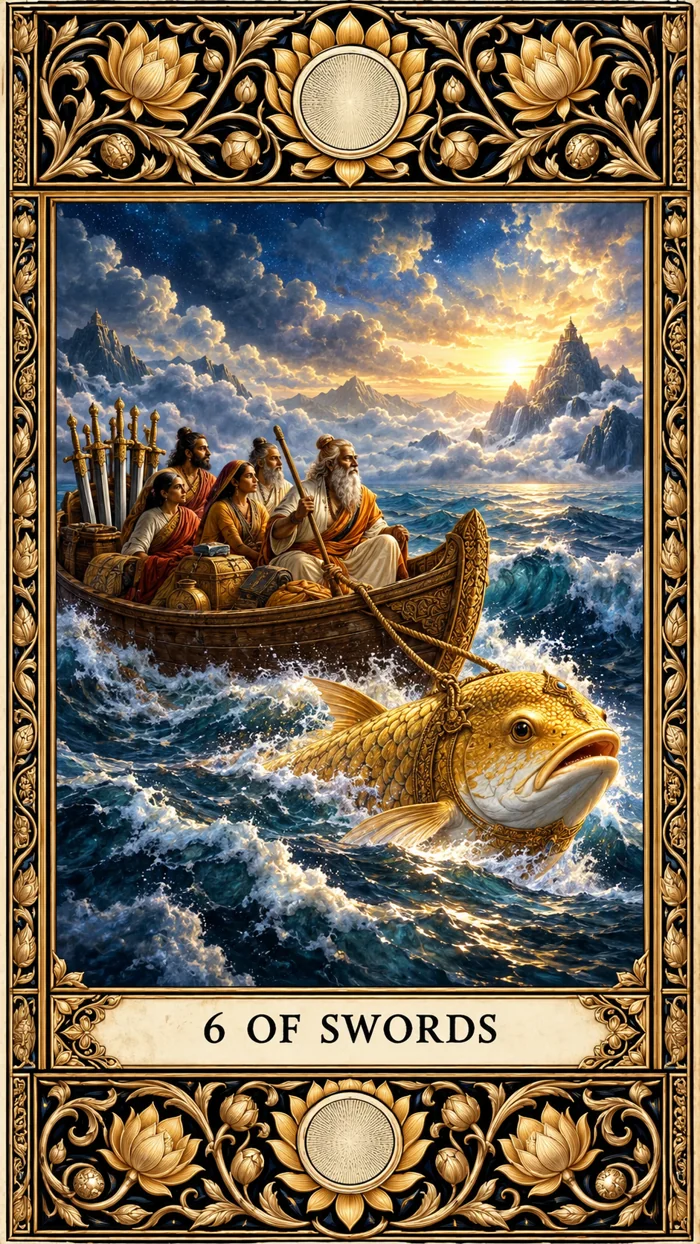
ინდურ „შატაპათა ბრაჰმანაში“ პატარა თევზი მანუს სთხოვს, გადაარჩინოს, სანაცვლოდ კი წარღვნისგან იხსნის. თევზი იზრდება, მანუს ნავს ჩრდილოეთის მთისკენ მიაცურებს. გვიანდელ ტრადიციაში ეს თევზი ვიშნუს განსხეულებაა — მატსია.[4]
ორივე ამბავში მხსნელი წყლის არსებაა და არა ცის. წყალი ღუპავს და წყალივე აფრთხილებს. ენქის ხრიკში კიდევ ერთი იდეაა: სიბრძნე ზოგჯერ წესის დარღვევა კი არა, წესში გამოსავლის პოვნაა.[2]
რა არ ვიცით
ერიდუს ტაძრების თანმიმდევრობა ძვ. წ. VI ათასწლეულიდან იწყება, მაგრამ სადავოა, ეკუთვნოდა თუ არა ყველაზე ადრეული სამლოცველოები უკვე ენქის. მესოპოტამიური და ინდური წარღვნის ამბების კავშირიც ღიაა: შესაძლოა გავრცელება, შესაძლოა დამოუკიდებელი წარმოშობა.[2]
Enki is the Sumerian god of fresh water, wisdom and craft. He is the god who gets around the decision of the divine council and saves humanity from the flood — without breaking his oath.[2]
A god beneath the water
Enki (Akkadian Ea) rules the Abzu, the underground world of fresh water that feeds springs and rivers. His city is Eridu in southern Mesopotamia; his temple the E-abzu, “House of the Abzu”. Cylinder seals often show him with streams flowing from his shoulders, fish swimming in them.[2]
In the Sumerian poem Enki and Ninhursaga, Enki makes the salty land of Dilmun fertile with fresh water from the Abzu. In Enki and the World Order he assigns lands and crafts their places.[2]
The reed wall
In the Babylonian epic Atrahasis, the gods are troubled by the noise of humankind. Enlil sends plague, drought and finally a flood, binding the gods to an oath of silence. Enki keeps the oath — he speaks not to the man but to the reed wall of his house: “Wall, wall! Reed wall!” Behind it Atrahasis listens, tears down his house and builds a boat.[2][3]
The same story returns on Tablet XI of the Epic of Gilgamesh under the name Utnapishtim, and in the Sumerian Eridu Genesis the hero is Ziusudra.[3]
A second warner: Matsya
In the Indian Shatapatha Brahmana, a small fish asks Manu to save it, and in return saves him from a flood. The fish grows and tows Manu’s boat to a northern mountain. In later tradition the fish is an incarnation of Vishnu — Matsya.[4]
In both stories the rescuer is a creature of water, not of the sky. Water destroys and water warns. Enki’s trick adds one more idea: wisdom is sometimes not breaking the rule but finding the way out inside it.[2]
What we don’t know
Eridu’s sequence of temples begins in the 6th millennium BCE, but whether the earliest shrines were already Enki’s is debated. The relation between the Mesopotamian and Indian flood stories is also open: diffusion or independent origin.[2]
წყაროებიSources
- W. G. Lambert, A. R. Millard, Atra-ḫasīs: The Babylonian Story of the Flood (1969; repr. 1999), Tablet III.
- ETCSL 1.1.1 Enki and Ninhursaga; 1.1.3 Enki and the World Order (Oxford, Electronic Text Corpus of Sumerian Literature).
- Epic of Gilgamesh, Tablet XI; A. George, The Babylonian Gilgamesh Epic (2003).
- Shatapatha Brahmana 1.8.1 (Manu and the fish).
- Ancient Mesopotamian Gods and Goddesses (Oracc, UPenn), “Enki/Ea”.
თემა, წყაროების შერჩევა და დასკვნები — ნიკა ხუცურაული. კვლევასა და თარგმანში დახმარებისთვის გამოყენებულია AI; ყოველი ფაქტი წყაროსთან შემოწმდა.Topic, choice of sources and conclusions — Nika Khutsurauli. AI was used to help with research and translation; every fact was checked against its source.