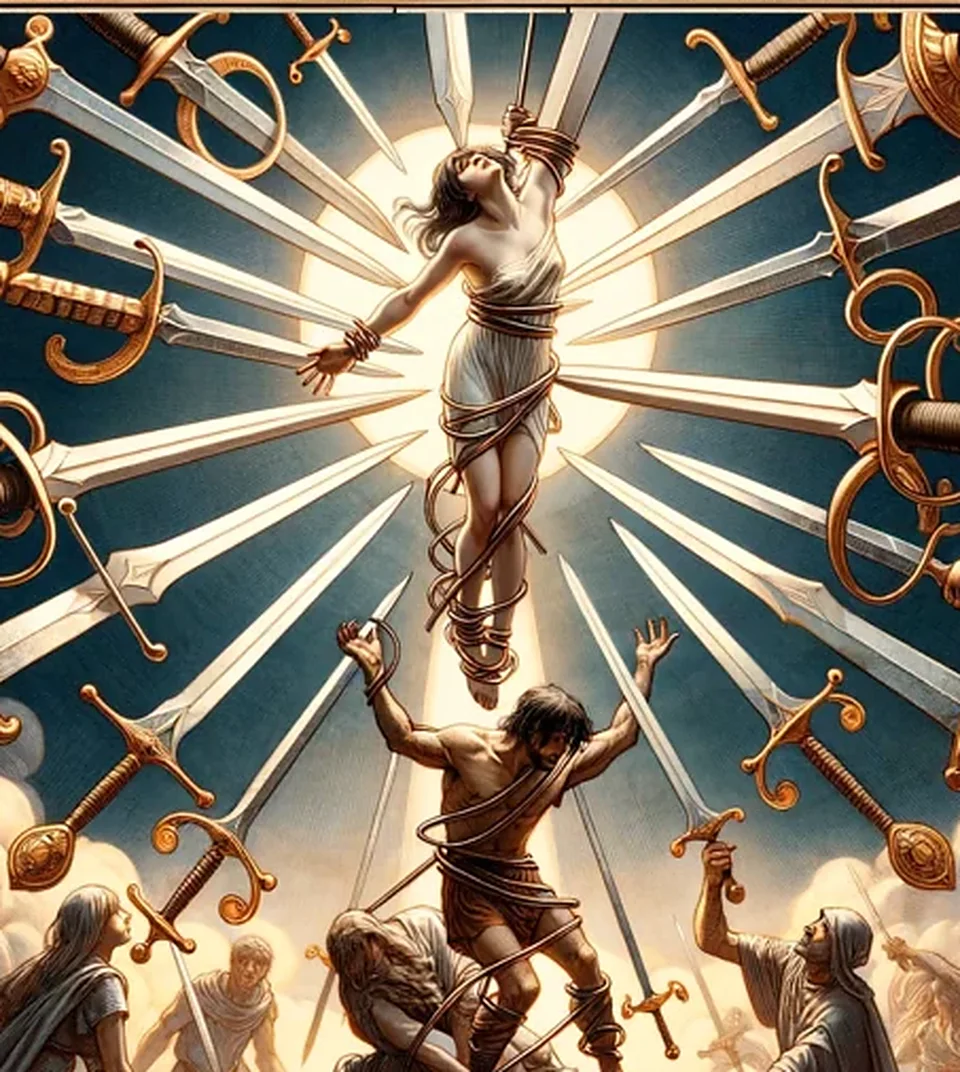
ოვიდიუსთან პერსევსი ჰაერიდან კლდეზე მიბმულ გოგონას ხედავს და მარმარილოს ქანდაკება ჰგონია. მხოლოდ მაშინ მიხვდება, რომ ის ცოცხალია, როცა ქარი თმას შეურხევს და თვალებიდან ცრემლები ჩამოსდის. ასე იწყება ერთ-ერთი ყველაზე ხშირად დახატული ბერძნული ამბავი.[2]
დედის კვეხნა
აპოლოდოროსის მიხედვით, ანდრომედა ეთიოპიის მეფის, კეფევსისა და კასიოპეას ასულია. კასიოპეამ თქვა, რომ ნერეიდებზე — ზღვის ნიმფებზე — ლამაზი იყო. ნიმფები განრისხდნენ, პოსეიდონმა ქვეყანას წყალდიდობა და ზღვის ურჩხული მოუვლინა. ამონის ორაკულმა თქვა: ქვეყანა გადარჩება, თუ მეფე ასულს ურჩხულს შესწირავს. ხალხის ზეწოლით კეფევსმა ანდრომედა ზღვისპირა კლდეზე მიაჯაჭვა.[1]
გმირი მედუზას თავით
პერსევსი ზევსისა და დანაეს ვაჟია — ჩაკეტილ ოთახში ზევსი მას ოქროს წვიმად ეწვია. ჰერმესისა და ათენას დახმარებით მან გორგონა მედუზას თავი მოკვეთა, რომლის ერთი შეხედვაც ქვად აქცევდა. სახლისკენ მიმავალმა ანდრომედა დაინახა, მამას ცოლად თხოვნა აღუთქმევინა, ურჩხული მოკლა და ასული გაათავისუფლა.
ქორწილში ანდრომედას ბიძამ, ფინევსმა, რომელიც მასზე ადრე იყო დანიშნული, შეთქმულება მოაწყო. პერსევსმა მედუზას თავი აჩვენა, და ფინევსი მომხრეებთან ერთად ქვად იქცა.
ყველა წყარო ამბავს ეთიოპიაში არ ათავსებს. სტრაბონი, პლინიუსი და იოსებ ფლავიუსი ასახელებენ იოპეს — დღევანდელ იაფას — და წერენ, რომ იქ ადგილობრივები კლდეს აჩვენებდნენ, რომელზეც ანდრომედას ჯაჭვების კვალი ჯერ კიდევ ჩანდა.[3]
ცაზე
ამბის თითქმის ყველა მონაწილე თანავარსკვლავედად იქცა: ანდრომედა, პერსევსი, კეფევსი, კასიოპეა და ზღვის ურჩხული, კეტოსი. არატოსი „ფენომენებში“ მათ ერთად აღწერს, ერატოსთენე კი ჰყვება, რომ ისინი ათენამ დაასვა ცაზე. ევრიპიდეს დაკარგული ტრაგედია „ანდრომედა“ (ძვ. წ. 412) ისეთი ცნობილი იყო, რომ არისტოფანემ ის „თესმოფორიებში“ გააპაროდია, „ბაყაყებში“ კი დიონისე სწორედ მას კითხულობს.[4][5]
ტიციანიდან რუბენსამდე მხატვრებისთვის ანდრომედა უმწეო მსხვერპლის, პერსევსი კი მხსნელის სახე იყო. თანამედროვე მკითხველები ხშირად აღნიშნავენ, რომ ძველ წყაროებში ანდრომედა თითქმის არ ლაპარაკობს: ოვიდიუსთან ის მხოლოდ ტირის და, სირცხვილისგან, სახის დაფარვაც კი უნდა. ეს ინტერპრეტაციაა, მაგრამ ტექსტზე დაყრდნობილი.[2]
რა არ ვიცით
რატომ არის ეთიოპიელი ასული ბერძნულ მითში და როგორ გადაინაცვლა ამბავმა იაფაში, არ ვიცით. ევრიპიდეს „ანდრომედადან“ მხოლოდ ფრაგმენტებია შემორჩენილი, ამიტომ არ ვიცით, ტრაგედიაში რას ამბობდა თავად ანდრომედა.
ILLUMINISMO-ში: ანდრომედა და პერსევსი ბერძნული ტაროს „ხმლების რვაა“ — დასტის ნახვა → · კარტების სტატიები: ხმლების რვა
In Ovid, Perseus sees from the air a girl chained to a rock and takes her for a marble statue. Only when the wind stirs her hair and tears run from her eyes does he realise she is alive. So begins one of the most often painted of Greek stories.[2]
A mother’s boast
According to Apollodorus, Andromeda is the daughter of Cepheus, king of Ethiopia, and Cassiopeia. Cassiopeia claimed to be more beautiful than the Nereids — the sea nymphs. The nymphs were enraged, and Poseidon sent a flood and a sea monster upon the land. The oracle of Ammon declared that the country would be saved if the king offered his daughter to the monster. Under pressure from his people, Cepheus chained Andromeda to a rock by the sea.[1]
A hero with Medusa’s head
Perseus is the son of Zeus and Danaë — Zeus came to her in a locked chamber as a shower of gold. With the help of Hermes and Athena he cut off the head of the Gorgon Medusa, whose gaze turned people to stone. On his way home he saw Andromeda, made her father promise her to him in marriage, killed the monster and set her free.
At the wedding Andromeda’s uncle Phineus, who had been betrothed to her before, plotted against him. Perseus showed him Medusa’s head, and Phineus and his followers were turned to stone.
Not every source sets the story in Ethiopia. Strabo, Pliny and Josephus name Joppa — today’s Jaffa — and write that the locals showed a rock on which the marks of Andromeda’s chains could still be seen.[3]
In the sky
Almost everyone in the story became a constellation: Andromeda, Perseus, Cepheus, Cassiopeia and the sea monster, Cetus. Aratus describes them together in the Phaenomena, and Eratosthenes says that Athena set them in the sky. Euripides’ lost tragedy Andromeda (412 BC) was so famous that Aristophanes parodied it in the Thesmophoriazusae, and in the Frogs it is the play Dionysus has been reading.[4][5]
From Titian to Rubens, painters made Andromeda the image of the helpless victim and Perseus the image of the rescuer. Modern readers often note that in the ancient sources Andromeda hardly speaks: in Ovid she only weeps and would hide her face for shame if she could. This is an interpretation, but it rests on the text.[2]
What we don’t know
We do not know why an Ethiopian princess stands in a Greek myth, or how the story moved to Jaffa. Only fragments survive of Euripides’ Andromeda, so we do not know what Andromeda herself said in the tragedy.
In ILLUMINISMO: Andromeda and Perseus are the 8 of Swords of the Greek Tarot — see the deck → · Card articles: Eight of Swords
წყაროებიSources
- Apollodorus, Library 2.4.1–3.
- Ovid, Metamorphoses 4.663–5.235.
- Strabo, Geography 16.2.28; Pliny, Natural History 5.69; Josephus, Jewish War 3.420.
- Aratus, Phaenomena 179–204, 353–354; [Eratosthenes], Catasterisms 15–17, 22.
- Aristophanes, Thesmophoriazusae 1009–1135; Frogs 52–54.
თემა, წყაროების შერჩევა და დასკვნები — ნიკა ხუცურაული. კვლევასა და თარგმანში დახმარებისთვის გამოყენებულია AI; ყოველი ფაქტი წყაროსთან შემოწმდა.Topic, choice of sources and conclusions — Nika Khutsurauli. AI was used to help with research and translation; every fact was checked against its source.