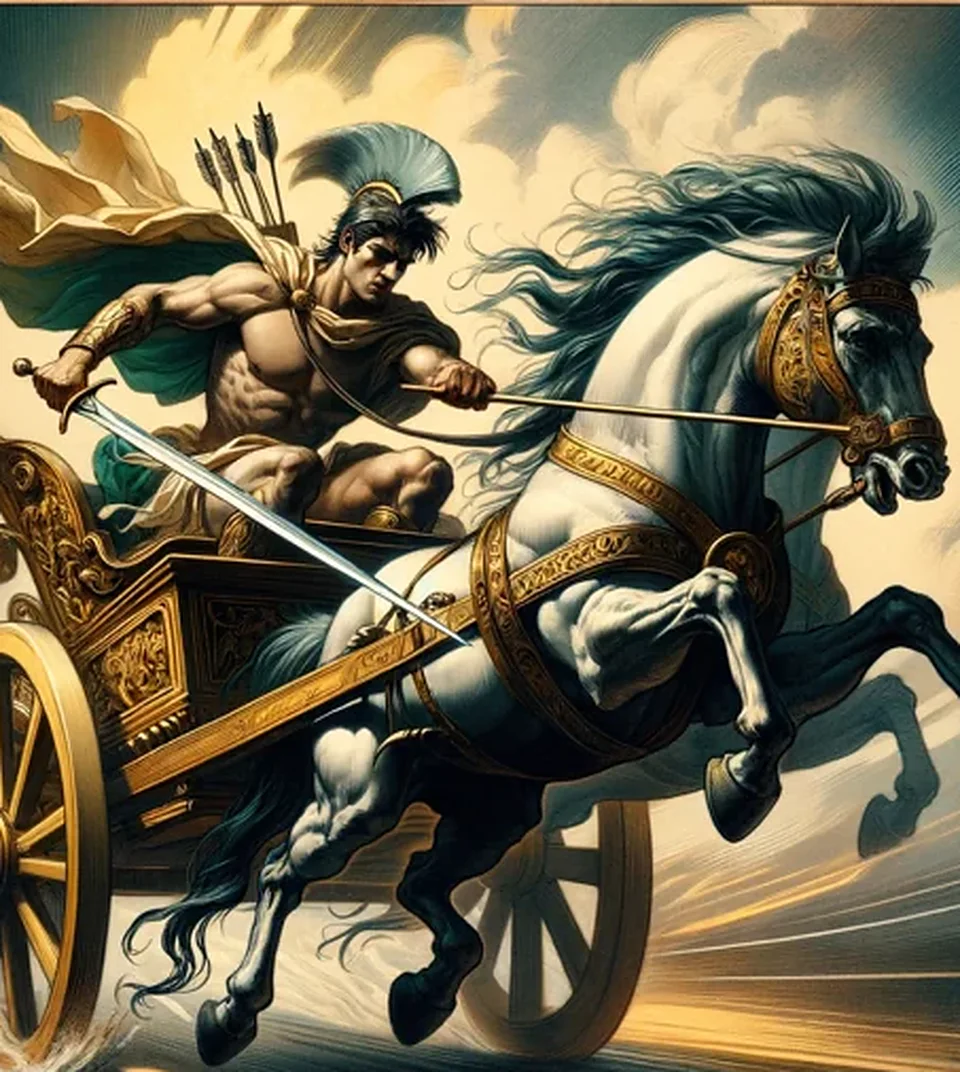
„ილიადის“ პირველი სიტყვა „რისხვაა“ — „მენის“: „რისხვა უმღერე, ქალღმერთო, პელევსის ძის, აქილევსისა“. პოემა ომზე კი არა, ერთი კაცის რისხვაზეა — და იმაზე, თუ როგორ ცხრება ის ბოლოს.[1]
ორი ბედი
აქილევსი მოკვდავი მეფის, პელევსისა და ზღვის ქალღმერთის, თეტისის ვაჟია. ბავშვობაში მას კენტავრი ქირონი ასწავლიდა. დედამ მისი ბედი იცოდა და შვილსაც უთხრა: ან ტროასთან დარჩება და მოკვდება, მაგრამ მისი დიდება არასოდეს გაქრება; ან შინ დაბრუნდება და დიდხანს იცოცხლებს — უსახელოდ. აქილევსი პირველს ირჩევს.
რისხვა
პოემა ჩხუბით იწყება. აგამემნონი, ბერძნების მთავარსარდალი, აქილევსს ტყვე ქალს, ბრისეისს, ართმევს. აქილევსი ბრძოლას ტოვებს და დედას სთხოვს, ზევსმა ბერძნები დაამარცხოს, რომ მისი ფასი იგრძნონ. ბერძნები მართლაც მარცხდებიან. მაშინ აქილევსის უახლოესი მეგობარი, პატროკლე, მის საჭურველს იცვამს და ბრძოლაში გადის — და ჰექტორი მას კლავს.
რისხვა ახლა ჰექტორზე გადადის. აქილევსი ბრძოლაში ბრუნდება, ჰექტორს კლავს და მის ცხედარს ეტლით მიათრევს.
ღამე პრიამოსთან
პოემის ბოლოს მოხუცი ტროელი მეფე პრიამოსი ღამით, მარტო, აქილევსის კარავში მიდის. ის აქილევსს ხელებზე კოცნის — იმ ხელებზე, რომლებმაც მისი შვილები დახოცეს — და ცხედარს სთხოვს. აქილევსს საკუთარი მამა ახსენდება, და ორივე ტირის: ერთი — შვილზე, მეორე — მამასა და პატროკლეზე. აქილევსი ჰექტორის სხეულს აბრუნებს. „ილიადა“ ჰექტორის დაკრძალვით მთავრდება, და არა აქილევსის სიკვდილით.[1]
„ოდისეაში“ ოდისევსი აქილევსის აჩრდილს ქვესკნელში ხვდება. აქილევსი ამბობს, რომ ღარიბი კაცის დღიური მუშაობა დედამიწაზე ურჩევნია ყველა მიცვალებულზე მეფობას. ეს ის კაცია, რომელმაც დიდება სიცოცხლეს ამჯობინა.[2]
1940 წელს ფრანგმა ფილოსოფოსმა სიმონ ვეილმა „ილიადა“ „ძალის პოემად“ წაიკითხა: ძალა, მისი აზრით, ყველას — როგორც გამარჯვებულს, ისე დამარცხებულს — საგნად აქცევს. ეს ინტერპრეტაციაა, მაგრამ პრიამოსისა და აქილევსის შეხვედრა მისი ყველაზე ძლიერი არგუმენტია: ორი მტერი ერთ მწუხარებაში ხვდება ერთმანეთს.[1][6]
რა არ ვიცით
„აქილევსის ქუსლი“ ჰომეროსთან არ არის. ამბავი, რომ დედამ ის სტიქსის წყალში ამოავლო, I საუკუნის რომაელ პოეტ სტაციუსთან ჩანს; დაუცველი ქუსლი კი კიდევ უფრო გვიანდელ ავტორებთან, მაგალითად ჰიგინუსთან. თავად აქილევსის სიკვდილს — პარისის ისარით, აპოლონის დახმარებით — „ილიადა“ მხოლოდ წინასწარმეტყველებს; ეს დაკარგულ ეპოსში იყო მოთხრობილი. სადავოა ისიც, როგორი იყო აქილევსისა და პატროკლეს კავშირი — ჰომეროსი მას პირდაპირ არ განმარტავს, მოგვიანებით კი ესქილე და პლატონი სიყვარულად აღწერენ.[1][2][3][5]
ILLUMINISMO-ში: აქილევსი ბერძნული ტაროს „ხმლების რაინდია“ — დასტის ნახვა → · კარტების სტატიები: ხმლების რაინდი
The first word of the Iliad is “wrath” — mēnis: “Sing, goddess, the wrath of Achilles, son of Peleus.” The poem is not about a war but about one man’s anger — and about how, in the end, it is calmed.[1]
Two fates
Achilles is the son of Peleus, a mortal king, and Thetis, a goddess of the sea. As a boy he was taught by the centaur Chiron. His mother knew his fate and told him: either he stays at Troy and dies, but his glory will never perish; or he goes home and lives long — without fame. Achilles chooses the first.
Wrath
The poem begins with a quarrel. Agamemnon, the Greek commander, takes from Achilles his captive woman, Briseis. Achilles withdraws from the fighting and asks his mother to have Zeus give the Greeks defeat, so they will feel his worth. The Greeks are indeed beaten. Then Achilles’ closest friend, Patroclus, puts on his armour and goes into battle — and Hector kills him.
Now the wrath turns on Hector. Achilles returns to battle, kills Hector and drags his body behind his chariot.
A night with Priam
At the end of the poem the old Trojan king Priam goes alone, at night, to Achilles’ tent. He kisses Achilles’ hands — the hands that killed his sons — and begs for the body. Achilles remembers his own father, and both weep: one for his son, the other for his father and for Patroclus. Achilles gives back Hector’s body. The Iliad ends with Hector’s funeral, not with Achilles’ death.[1]
In the Odyssey Odysseus meets the shade of Achilles in the underworld. Achilles says he would rather work as a poor man’s hired labourer on earth than be king over all the dead. This is the man who chose glory over life.[2]
In 1940 the French philosopher Simone Weil read the Iliad as “the poem of force”: force, she argued, turns everyone — victor and vanquished alike — into a thing. This is an interpretation, but the meeting of Priam and Achilles is its strongest argument: two enemies meet in a single grief.[1][6]
What we don’t know
“Achilles’ heel” is not in Homer. The story that his mother dipped him in the Styx appears in the 1st-century Roman poet Statius; the unprotected heel comes from still later authors, such as Hyginus. Achilles’ own death — by Paris’ arrow, with Apollo’s help — the Iliad only foretells; it was told in a lost epic. How to understand the bond between Achilles and Patroclus is also debated — Homer does not spell it out, while later Aeschylus and Plato describe it as love.[1][2][3][5]
In ILLUMINISMO: Achilles is the Knight of Swords of the Greek Tarot — see the deck → · Card articles: Knight of Swords
წყაროებიSources
- Homer, Iliad 1.1–7; 9.410–416; 11.830–832; 16; 22.359–360; 24.477–551.
- Homer, Odyssey 11.488–491.
- Statius, Achilleid 1; Hyginus, Fabulae 107.
- Proclus’ summary of the Aethiopis.
- Plato, Symposium 179e–180b.
- S. Weil, “The Iliad, or the Poem of Force” (1940).
თემა, წყაროების შერჩევა და დასკვნები — ნიკა ხუცურაული. კვლევასა და თარგმანში დახმარებისთვის გამოყენებულია AI; ყოველი ფაქტი წყაროსთან შემოწმდა.Topic, choice of sources and conclusions — Nika Khutsurauli. AI was used to help with research and translation; every fact was checked against its source.