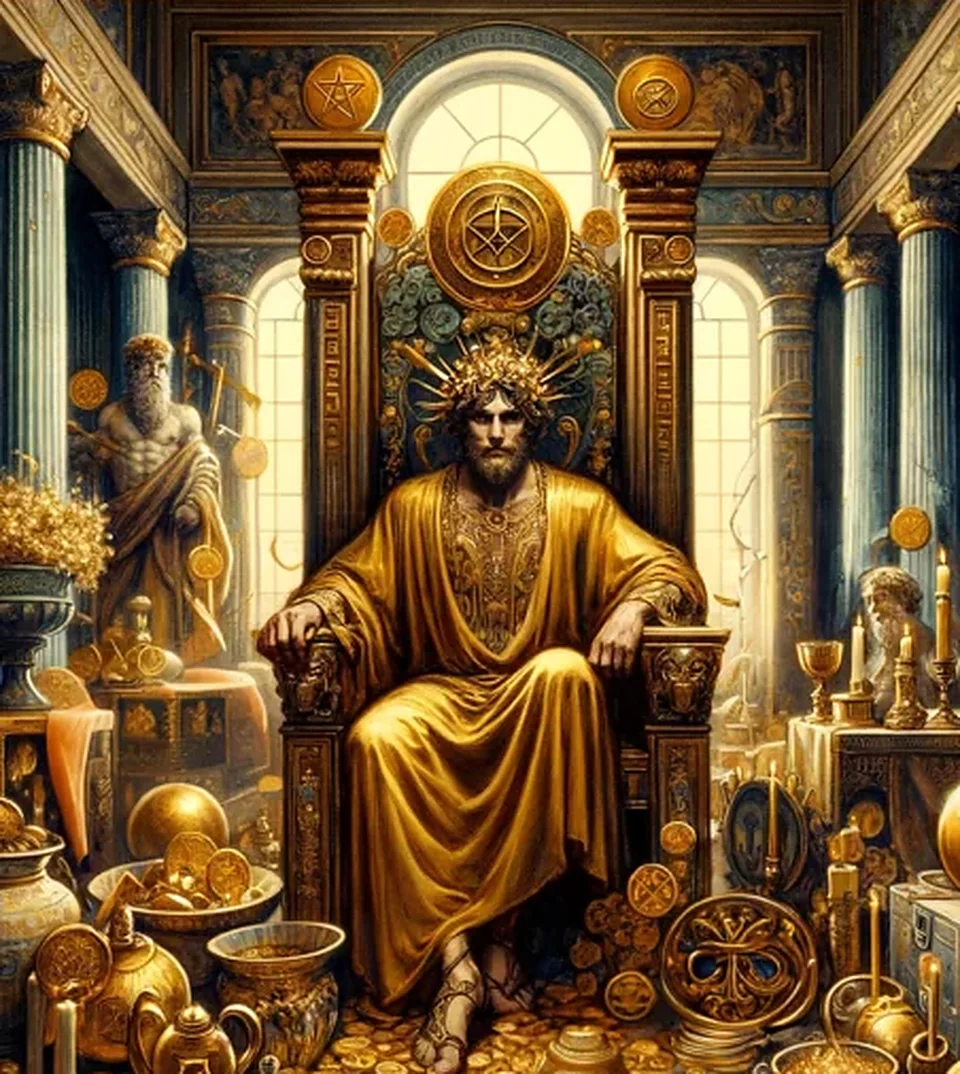
მიდასი იმ იშვიათ მითოლოგიურ მეფეებს შორისაა, რომელთა ისტორიული ორეულიც ასურულ ჩანაწერებში ჩანს. ფრიგიის მეფე მიტა ძვ. წ. VIII საუკუნის ბოლოს ასურელ მეფე სარგონ II-ს ეომებოდა. ბერძნულ მითში კი მისი სახელი ორ სიმბოლოდ იქცა: ოქროს შეხებად და ვირის ყურებად.
ოქროს შეხება
ოვიდიუსის „მეტამორფოზებში“ ფრიგიელმა გლეხებმა დიონისეს მოხუცი აღმზრდელი, სილენოსი, მთვრალი იპოვეს და მეფე მიდასთან მიიყვანეს. მიდასმა ის პატივით მიიღო და ღმერთს დაუბრუნა. სამადლობლოდ დიონისემ ნებისმიერი სურვილის ასრულება აღუთქვა. მიდასმა ითხოვა: რასაც შევეხები, ოქროდ იქცეს.[1]
ჯერ ყველაფერი მშვენივრად იყო: ტოტი, ქვა, ვაშლი ოქროდ იქცა. მაგრამ პური ოქროდ იქცა კბილებში, ღვინო — გამდნარ ოქროდ ყელში. შიმშილით და წყურვილით გატანჯულმა მეფემ ღმერთს შეევედრა. დიონისემ უბრძანა, მდინარე პაქტოლოსის სათავეში დაბანილიყო; ძალა წყალს გადაეცა, და მას შემდეგ პაქტოლოსის ქვიშაში ოქრო ბრწყინავს.
ვირის ყურები
სიმდიდრით დაღლილი მიდასი ტყეებში პანთან ერთად დადიოდა. როცა პანი აპოლონს მუსიკაში შეეჯიბრა, მთის ღმერთმა, ტმოლოსმა, გამარჯვება აპოლონს მიაკუთვნა. მიდასმა კი პანის სალამური არჩია. აპოლონმა მას ვირის ყურები დაადგა. მეფე ყურებს ქუდით მალავდა; მხოლოდ მისმა დალაქმა იცოდა. საიდუმლოს შენახვა ვეღარ შეძლო, მიწაში ორმო ამოთხარა და შიგ ჩაჩურჩულა. ორმოზე ლერწამი ამოვიდა და ქარში საიდუმლოს ჩურჩულებდა.
გორდიონში, ფრიგიის დედაქალაქში, დიდი ყორღანის ქვეშ აღმოჩნდა ხის სამარხი, რომელიც დენდროქრონოლოგიით დაახლ. ძვ. წ. 740 წლით თარიღდება. მას „მიდასის ყორღანს“ ეძახიან, თუმცა მკვლევრების უმეტესობა ფიქრობს, რომ იქ მიდასის წინამორბედია დაკრძალული, არა თავად ის.
ისტორიული მიდასი
ჰეროდოტე წერს, რომ მიდასი, გორდიოსის ვაჟი, პირველი უცხოელი იყო, ვინც დელფოს ძღვენი შესწირა — თავისი სამეფო ტახტი. გორდიონთანაა დაკავშირებული „გორდიასის კვანძიც“: ის მიდასის მამის ეტლზე იყო გაკრული. არიანე ორ ვერსიას იცნობს: ალექსანდრე მაკედონელმა კვანძი ან ხმლით გაკვეთა, ან ძელის სამაგრი ამოაძრო.[2][3]
არისტოტელე „პოლიტიკაში“ მიდასს მაგალითად იყენებს: სიმდიდრე, რომელიც მხოლოდ ფულში იზომება, შეიძლება ადამიანს შიმშილით ამოხადოს სული — როგორც მიდასს, რომლის თხოვნამაც ყველაფერი ოქროდ აქცია. ეს უკვე ძველი ფილოსოფოსის წაკითხვაა: მითი ეკონომიკური აზრის მაგალითად იქცა.[4]
რა არ ვიცით
უცნობია, როგორ იქცა ძლიერი ფრიგიელი მეფე სასაცილო და გაუწონასწორებელ მითოლოგიურ ფიგურად. მითის ცალკეული ნაწილები — სილენოსის დაჭერა, ოქროს შეხება, ვირის ყურები — სხვადასხვა დროს და სხვადასხვა ავტორთან ჩნდება, და მათი წარმოშობა მხოლოდ ნაწილობრივ ვიცით.
ILLUMINISMO-ში: მიდასი ბერძნული ტაროს „პენტაკლების ოთხია“ — დასტის ნახვა → · კარტების სტატიები: პენტაკლების ოთხი
Midas is one of the few mythical kings whose historical double appears in Assyrian records. Mita, king of the Phrygians, fought the Assyrian king Sargon II in the late 8th century BC. In Greek myth, though, his name became two symbols: the golden touch and the ass’s ears.
The golden touch
In Ovid’s Metamorphoses, Phrygian peasants found Silenus, the old tutor of Dionysus, drunk, and brought him to King Midas. Midas received him with honour and returned him to the god. In thanks Dionysus promised to grant any wish. Midas asked: let whatever I touch turn to gold.[1]
At first all was wonderful: a twig, a stone, an apple turned to gold. But bread turned to gold between his teeth, wine to molten gold in his throat. Tormented by hunger and thirst, the king begged the god. Dionysus told him to bathe at the source of the river Pactolus; the power passed into the water, and ever since gold has glittered in the Pactolus’ sands.
The ass’s ears
Tired of wealth, Midas roamed the woods with Pan. When Pan challenged Apollo to a contest of music, the mountain god Tmolus gave the victory to Apollo. Midas, though, preferred Pan’s pipes. Apollo gave him the ears of an ass. The king hid them under a cap; only his barber knew. Unable to keep the secret, the barber dug a hole in the ground and whispered it inside. Reeds grew over the hole and whispered the secret in the wind.
At Gordion, the Phrygian capital, a wooden tomb was found beneath a great mound, dated by dendrochronology to about 740 BC. It is called the “Midas Mound”, though most scholars think it holds Midas’ predecessor, not Midas himself.
The historical Midas
Herodotus writes that Midas, son of Gordias, was the first foreigner to make an offering at Delphi — his royal throne. The “Gordian knot” is linked to Gordion too: it was tied on the wagon of Midas’ father. Arrian knows two versions: Alexander the Great either cut the knot with his sword or pulled out the peg of the pole.[2][3]
In the Politics Aristotle uses Midas as an example: wealth measured only in money can leave a person starving — like Midas, whose prayer turned everything to gold. This is already an ancient philosopher’s reading: the myth became an example in economic thought.[4]
What we don’t know
It is unknown how a powerful Phrygian king turned into a comic, unbalanced figure of myth. The separate parts of the myth — the capture of Silenus, the golden touch, the ass’s ears — appear at different times and in different authors, and their origins are only partly known.
In ILLUMINISMO: Midas is the 4 of Pentacles of the Greek Tarot — see the deck → · Card articles: Four of Pentacles
წყაროებიSources
- Ovid, Metamorphoses 11.85–193.
- Herodotus, Histories 1.14; 8.138.
- Arrian, Anabasis of Alexander 2.3.
- Aristotle, Politics 1.1257b.
- Assyrian royal inscriptions of Sargon II (Mita of Mushki).
- C. B. Rose and G. Darbyshire (eds.), The New Chronology of Iron Age Gordion (2011).
თემა, წყაროების შერჩევა და დასკვნები — ნიკა ხუცურაული. კვლევასა და თარგმანში დახმარებისთვის გამოყენებულია AI; ყოველი ფაქტი წყაროსთან შემოწმდა.Topic, choice of sources and conclusions — Nika Khutsurauli. AI was used to help with research and translation; every fact was checked against its source.