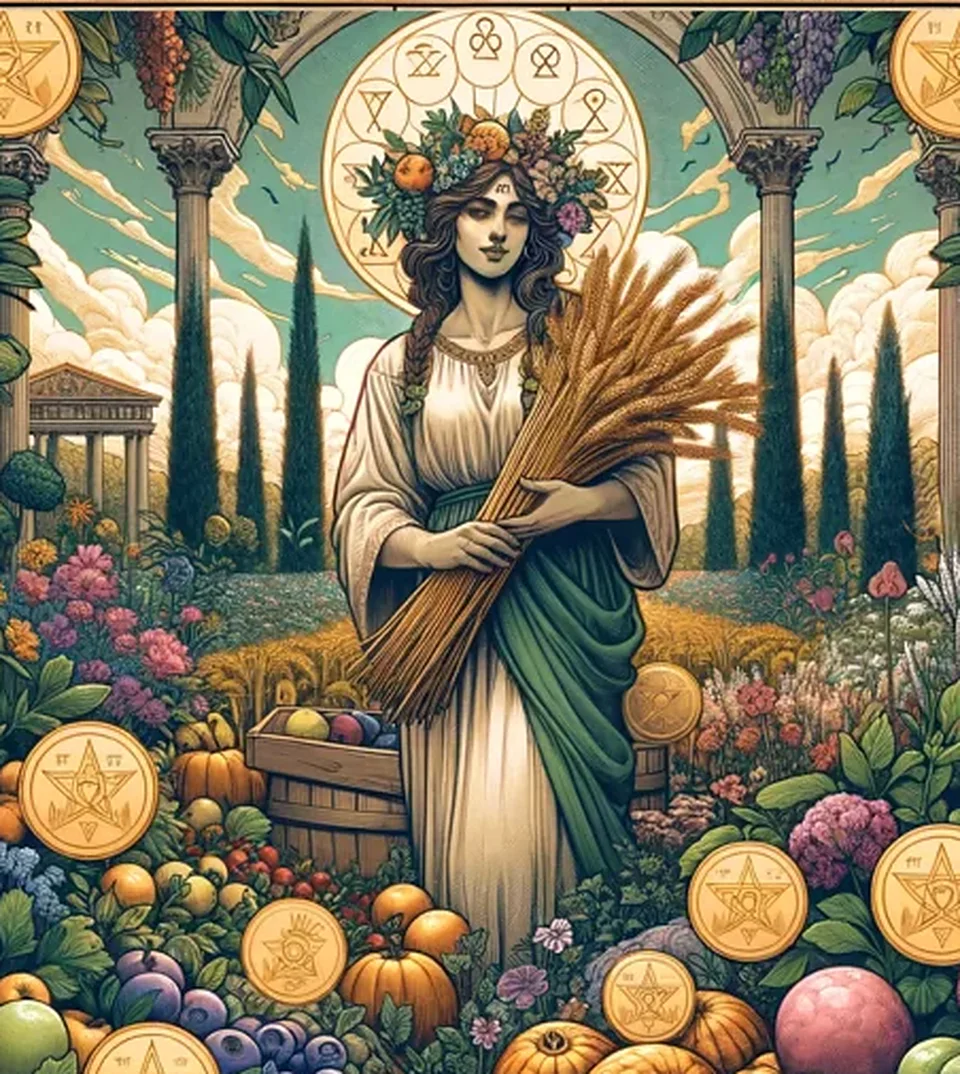
პერსეფონეს გატაცების ამბავს ჩვეულებრივ ქალიშვილის მხრიდან ჰყვებიან. მაგრამ ჰომეროსული ჰიმნის მთავარი გმირი დედაა: ქალღმერთი, რომელიც ცხრა დღე ჩირაღდნებით დაეძებს შვილს, მოხუცი ქალის სახით მსახურად დგება, და ბოლოს მთელ სამყაროს შიმშილით ემუქრება.[1]
ცხრა დღე ჩირაღდნებით
დემეტრე კრონოსისა და რეას ასულია, ზევსის და. როცა ჰადესმა პერსეფონე გაიტაცა, დედამ შვილის ყვირილი გაიგო, მაგრამ ვერ იპოვა. ცხრა დღე დაეხეტებოდა მიწაზე ანთებული ჩირაღდნებით, არ ჭამდა, არ სვამდა, არ ბანაობდა. მეათე დღეს ჰეკატემ და მზემ, ჰელიოსმა, უთხრეს სიმართლე: გატაცებას ზევსი დაეთანხმა.[4]
მსახური ელევსინში
განრისხებულმა დემეტრემ ოლიმპო დატოვა და მოხუცი ქალის სახით ელევსინში, მეფე კელეოსის სახლში დადგა ძიძად. ის არ იცინოდა, სანამ მსახურმა იამბემ ხუმრობით არ გაამხიარულა; ღვინოზე უარი თქვა და ქერის, წყლისა და პიტნის სასმელი — კიკეონი — ითხოვა.[4]
დემეტრეს მეფის ახალშობილი ვაჟი, დემოფონი, ჩააბარეს. ღამღამობით ის ბავშვს ფარულად ცეცხლში ათავსებდა, რომ უკვდავი გაეხადა. დედამ, მეტანირამ, ეს დაინახა და შეჰკივლა. ქალღმერთმა ბავშვი მიწაზე დადო, თავისი ნამდვილი სახე გამოაჩინა და ტაძრის აშენება მოითხოვა.[4]
ჰიმნის მიხედვით, დემეტრემ მიწას თესლის ამოსვლა შეუჩერა. მთელი წელი მოსავალი არ მოვიდა, და ადამიანები შიმშილით დაიხოცებოდნენ — ღმერთები კი მსხვერპლს დაკარგავდნენ. მხოლოდ ამან აიძულა ზევსი, მოლაპარაკება დაეწყო.[4]
მარცვლის საჩუქარი
პერსეფონის დაბრუნების შემდეგ დემეტრემ მიწას ნაყოფიერება დაუბრუნა და ელევსინის მთავრებს თავისი რიტუალები ასწავლა. ერთ-ერთი მათგანი ტრიპტოლემოსი იყო. მოგვიანებით გავრცელებული თქმულებით, დემეტრემ მას ხორბალი და ფრთოსან გველებშებმული ეტლი მისცა, რომ მიწათმოქმედება მთელ ქვეყანაზე გაევრცელებინა. ოვიდიუსი კი ერისიქთონის ამბავს ჰყვება: მან დემეტრეს წმინდა ჭალა გაჩეხა და დაუოკებელი შიმშილით დაისაჯა.[4]
XIX საუკუნის ბოლოს შოტლანდიელმა ანთროპოლოგმა ჯეიმზ ფრეიზერმა „ოქროს რტოში“ დემეტრე და პერსეფონე „ხორბლის დედისა“ და „ხორბლის ქალიშვილის“ სახეებად წაიკითხა — ევროპელი გლეხების მოსავლის ჩვეულებების პარალელით. თანამედროვე მკვლევრები მის მეთოდს აკრიტიკებენ, მაგრამ მარცვლისა და გლოვის კავშირი თავად ჰიმნშია.[4][6]
რა არ ვიცით
დემეტრეს სახელის მეორე ნაწილი — „მეტერ“, დედა — ნათელია, პირველი „დე-“ კი სადავო: მიწა, მარცვალი თუ სხვა რამ. პილოსის ხაზოვანი B-ს ფირფიტაზე ნაპოვნი სიტყვა „და-მა-ტე“ შესაძლოა მის სახელს უკავშირდებოდეს, მაგრამ ეს არ არის დადასტურებული. ქალების დღესასწაულზე, თესმოფორიაზე, რა ხდებოდა, მხოლოდ ნაწილობრივ ვიცით — ის მამაკაცებისთვის დახურული იყო.[4][5]
ILLUMINISMO-ში: დემეტრე ბერძნული ტაროს „პენტაკლების ცხრაა“ და „პენტაკლების დედოფალი“ — დასტის ნახვა → · კარტების სტატიები: პენტაკლების ცხრა, პენტაკლების დედოფალი
The abduction of Persephone is usually told from the daughter’s side. But the hero of the Homeric Hymn is the mother: a goddess who searches for her child for nine days with torches, takes service as an old woman, and in the end threatens the whole world with famine.[1]
Nine days with torches
Demeter is the daughter of Cronus and Rhea, the sister of Zeus. When Hades seized Persephone, her mother heard the girl’s cry but could not find her. For nine days she wandered the earth with burning torches, without eating, drinking or bathing. On the tenth day Hecate and the Sun, Helios, told her the truth: Zeus had agreed to the abduction.[4]
A servant at Eleusis
In her anger Demeter left Olympus and, disguised as an old woman, took service as a nurse in the house of King Celeus at Eleusis. She would not smile until the servant Iambe cheered her with jokes; she refused wine and asked instead for a drink of barley, water and mint — the kykeon.[4]
Demeter was given the king’s newborn son, Demophon. Night after night she secretly placed the child in the fire to make him immortal. His mother, Metaneira, saw it and screamed. The goddess set the child down on the ground, revealed her true form and demanded that a temple be built.[4]
According to the hymn, Demeter stopped the seed from sprouting. For a whole year no crop came up, and humans would have died of hunger — and the gods would have lost their sacrifices. Only this forced Zeus to negotiate.[4]
The gift of grain
After Persephone’s return Demeter gave the earth back its fertility and taught her rites to the princes of Eleusis. One of them was Triptolemus. In a later, widespread tradition, Demeter gave him wheat and a chariot drawn by winged serpents to spread agriculture across the world. Ovid tells the story of Erysichthon, who cut down Demeter’s sacred grove and was punished with insatiable hunger.[4]
At the end of the 19th century the Scottish anthropologist James Frazer, in The Golden Bough, read Demeter and Persephone as the “Corn-Mother” and the “Corn-Maiden” — drawing parallels with the harvest customs of European peasants. Modern scholars criticise his method, but the link between grain and grief is already in the hymn itself.[4][6]
What we don’t know
The second part of Demeter’s name — mētēr, mother — is clear; the first, De-, is disputed: earth, grain or something else. The word da-ma-te on a Linear B tablet from Pylos may be connected with her name, but this is not confirmed. What happened at the women’s festival, the Thesmophoria, we know only in part — it was closed to men.[4][5]
In ILLUMINISMO: Demeter is the 9 of Pentacles and the Queen of Pentacles of the Greek Tarot — see the deck → · Card articles: Nine of Pentacles, Queen of Pentacles
წყაროებიSources
- Homeric Hymn to Demeter (2) 38–90, 96–304, 305–313, 470–482.
- Hesiod, Theogony 453–454.
- Apollodorus, Library 1.5.1–2.
- Ovid, Metamorphoses 8.738–878; Callimachus, Hymn to Demeter (6).
- Linear B tablet PY En 609 (Pylos).
- J. G. Frazer, The Golden Bough (1890; 3rd ed. 1906–1915).
თემა, წყაროების შერჩევა და დასკვნები — ნიკა ხუცურაული. კვლევასა და თარგმანში დახმარებისთვის გამოყენებულია AI; ყოველი ფაქტი წყაროსთან შემოწმდა.Topic, choice of sources and conclusions — Nika Khutsurauli. AI was used to help with research and translation; every fact was checked against its source.