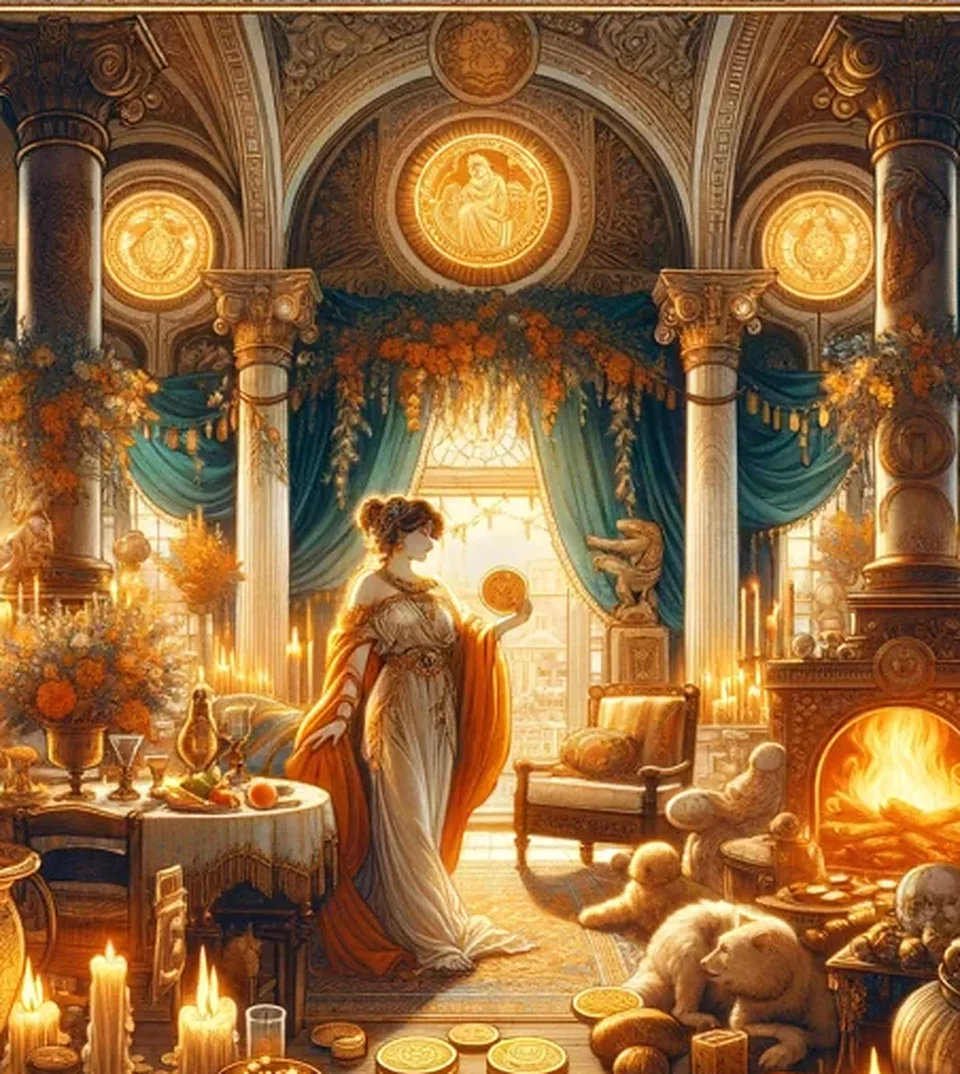
ჰესტიას თითქმის არ აქვს მითები. ის არ ომობს, არ შეუყვარდება, არ მოგზაურობს. მაგრამ არც ერთი ბერძნული ნადიმი და არც ერთი მსხვერპლშეწირვა მის გარეშე არ იწყებოდა: ის კერაა — ცეცხლი სახლის, ტაძრისა და ქალაქის შუაგულში.
უფროსიც და უმცროსიც
ჰესიოდესთან ჰესტია კრონოსისა და რეას პირველი შვილია. კრონოსმა შვილები დაბადებისთანავე გადაყლაპა, და როცა ზევსმა ისინი უკან ამოაღებინა, ჰესტია უკანასკნელი ამოვიდა. ამიტომ ჰომეროსული ჰიმნი აფროდიტესადმი მას „ყველაზე უფროსსაც“ და „ყველაზე უმცროსსაც“ უწოდებს.[1][2]
იმავე ჰიმნის მიხედვით, აფროდიტეს ძალა სამ ქალღმერთზე არ ვრცელდება, და ჰესტია მათ შორისაა. მას პოსეიდონი და აპოლონი სთხოვდნენ ცოლობას, მან კი ზევსის თავზე დაიფიცა, რომ სამუდამოდ ქალწული დარჩებოდა. სანაცვლოდ ზევსმა მას საპატიო ადგილი მისცა სახლის შუაგულში და მსხვერპლის პირველი წილი.
„ჰესტიადან დაწყება“
ოცდამეცხრე ჰომეროსული ჰიმნი ამბობს: მოკვდავთა ნადიმი ჰესტიას გარეშე არ არსებობს — ტკბილ ღვინოს მას პირველსაც უღვრიან და უკანასკნელსაც. ბერძნულ ენაში ფრაზა „ჰესტიადან დაწყება“ საქმის თავიდან, სწორი წესით დაწყებას ნიშნავდა; პლატონის „ევთიფრონში“ სოკრატე მას სწორედ ასე იყენებს.[2][3]
ყოველ ბერძნულ ქალაქს ჰქონდა საერთო კერა — პრიტანეიონში, საბჭოს შენობაში, სადაც ცეცხლი არ ქრებოდა. პავსანიასი წერს, რომ ოლიმპიის პრიტანეიონში ცეცხლი დღე და ღამე ენთო. მოგვიანებით რომში ვესტას ტაძარში ქალწული ქურუმები, ვესტალები, მარადიულ ცეცხლს ინახავდნენ.[4]
ის, ვინც რჩება
პლატონის „ფედროსში“, როცა ღმერთები ზევსის წინამძღოლობით ზეცაში ეტლებით მიდიან, ჰესტია ერთადერთია, ვინც ღმერთების სახლში რჩება. სხვები მოძრაობენ — ის ცენტრია.[3]
ფრანგმა მკვლევარმა ჟან-პიერ ვერნანმა ჰესტია და ჰერმესი წყვილად წაიკითხა: ჰესტია — სივრცის ცენტრი, მყარი, შიდა, დახურული; ჰერმესი — მოძრაობა, ზღურბლი, გზა და გაცვლა. ბერძნულ ხელოვნებაში ისინი ზოგჯერ ერთად ჩანან. ეს ინტერპრეტაციაა, ბერძნული წარმოდგენების სივრცითი ანალიზი.[5]
რა არ ვიცით
ხშირად ჰყვებიან, რომ ჰესტიამ ოლიმპოს თორმეტ ღმერთს შორის თავისი ადგილი დიონისეს დაუთმო. ამ ამბისთვის ძველი წყარო ცნობილი არ არის — ის თანამედროვე გადმოცემებში ჩნდება. თორმეტი ღმერთის სიაც ძველ საბერძნეთში ყველგან ერთნაირი არ ყოფილა.
ILLUMINISMO-ში: ჰესტია ბერძნული ტაროს „პენტაკლების ათია“ — დასტის ნახვა → · კარტების სტატიები: პენტაკლების ათი
Hestia has almost no myths. She does not go to war, fall in love or travel. Yet no Greek feast and no sacrifice began without her: she is the hearth — the fire at the centre of the house, the temple and the city.
Eldest and youngest
In Hesiod, Hestia is the first child of Cronus and Rhea. Cronus swallowed his children at birth, and when Zeus made him bring them up again, Hestia came out last. That is why the Homeric Hymn to Aphrodite calls her both “eldest” and “youngest”.[1][2]
According to the same hymn, Aphrodite’s power does not reach three goddesses, and Hestia is one of them. Poseidon and Apollo asked for her hand, but she swore on the head of Zeus to remain a virgin for ever. In return Zeus gave her a place of honour at the centre of the house and the first share of the sacrifice.
“Beginning from Hestia”
The twenty-ninth Homeric Hymn says that there is no feast of mortals without Hestia — sweet wine is poured to her first and last. In Greek the phrase “to begin from Hestia” meant to begin a task properly, from its root; in Plato’s Euthyphro Socrates uses it in exactly this sense.[2][3]
Every Greek city had a common hearth — in the prytaneion, the council house, where the fire never went out. Pausanias writes that in the prytaneion at Olympia the fire burned day and night. Later, in Rome, the virgin priestesses of Vesta, the Vestals, kept an eternal flame in her temple.[4]
The one who stays
In Plato’s Phaedrus, when the gods drive out across heaven in their chariots led by Zeus, Hestia is the only one who remains in the house of the gods. The others move — she is the centre.[3]
The French scholar Jean-Pierre Vernant read Hestia and Hermes as a pair: Hestia — the centre of space, fixed, inward, closed; Hermes — movement, the threshold, the road and exchange. In Greek art they sometimes appear together. This is an interpretation, a spatial analysis of Greek ideas.[5]
What we don’t know
It is often said that Hestia gave up her place among the twelve gods of Olympus to Dionysus. No ancient source for this story is known — it appears in modern retellings. Nor was the list of the twelve gods the same everywhere in ancient Greece.
In ILLUMINISMO: Hestia is the 10 of Pentacles of the Greek Tarot — see the deck → · Card articles: Ten of Pentacles
წყაროებიSources
- Hesiod, Theogony 453–500.
- Homeric Hymn to Aphrodite (5) 18–32; Homeric Hymns to Hestia (24, 29).
- Plato, Phaedrus 247a; Euthyphro 3a.
- Pausanias, Description of Greece 5.15.9.
- J.-P. Vernant, “Hestia–Hermes: The Religious Expression of Space and Movement”, in Myth and Thought among the Greeks (1965; Eng. 1983).
თემა, წყაროების შერჩევა და დასკვნები — ნიკა ხუცურაული. კვლევასა და თარგმანში დახმარებისთვის გამოყენებულია AI; ყოველი ფაქტი წყაროსთან შემოწმდა.Topic, choice of sources and conclusions — Nika Khutsurauli. AI was used to help with research and translation; every fact was checked against its source.