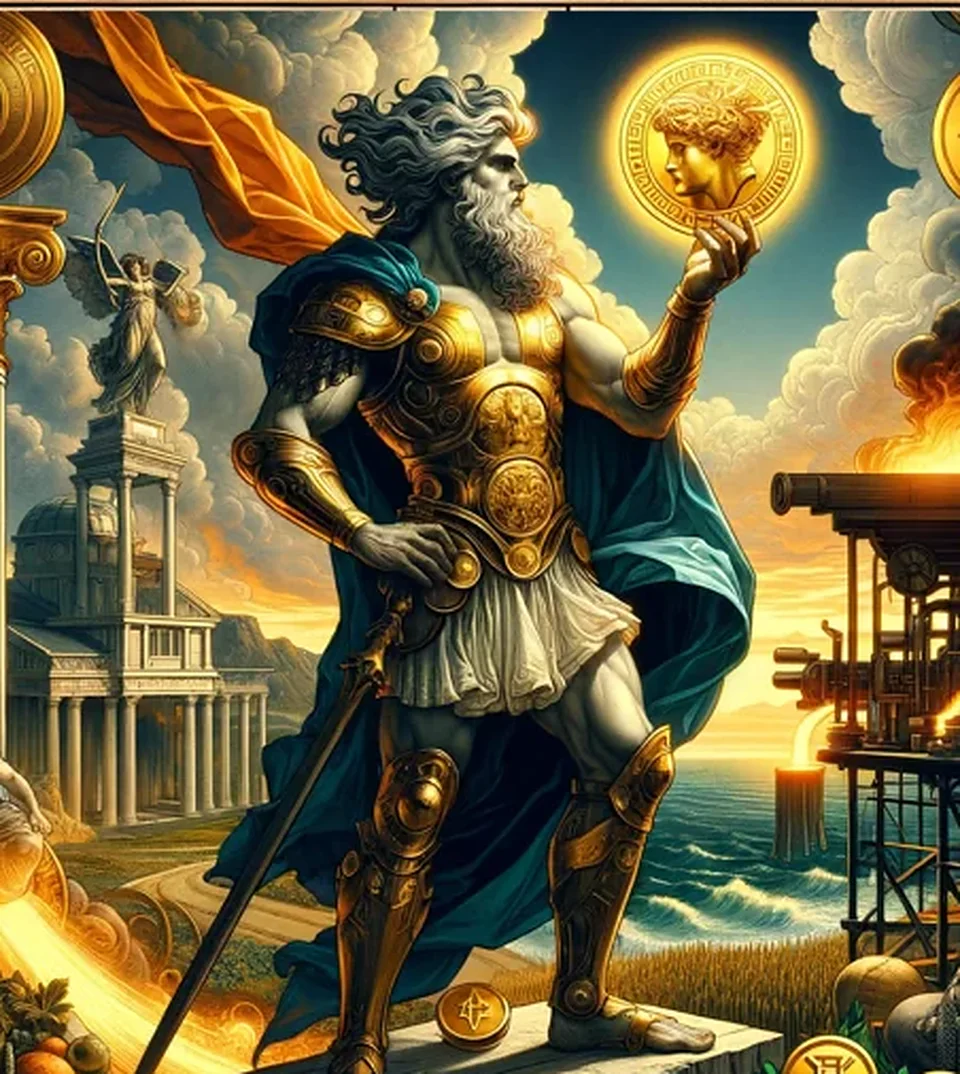
„ილიადის“ მეთვრამეტე სიმღერაში თეტისი ჰეფესტოს სახლში შედის და ხედავს: ოცი სამფეხა თავისით მოძრაობს ბორბლებზე, ოსტატს კი ოქროს გოგონები ეხმარებიან, რომლებსაც გონება, ხმა და ძალა აქვთ. ღმერთების მჭედლის სახელოსნო ძველი ლიტერატურის ერთ-ერთი პირველი „ავტომატების“ სამყაროა.[1]
ორჯერ ჩამოგდებული
ჰესიოდესთან ჰეფესტოს ჰერა მარტო, ქმრის გარეშე შობს. ჰომეროსთან ის ზევსისა და ჰერას ვაჟია. ორივე ტრადიციაში ის კოჭლია — და ორჯერ ვარდება ოლიმპოდან. ერთხელ ჰერამ თავად გადააგდო, რადგან შვილი კოჭლი დაიბადა; ზღვის ქალღმერთებმა, თეტისმა და ევრინომემ, ის გამოქვაბულში შეიფარეს, სადაც ცხრა წელი სამკაულებს ჭედავდა. მეორედ ზევსმა გადმოაგდო, როცა ჰეფესტო დედას დაესარჩლა: ის მთელი დღე ეცემოდა და მზის ჩასვლისას ლემნოსზე დაეცა.[1][2][3]
ოქროს ტახტი
ერთი ძველი ამბავი, რომელიც ვაზებზე ხშირად ჩანს, შურისძიებას ჰყვება. ჰეფესტომ ჰერას ოქროს ტახტი გაუგზავნა, რომელმაც დაჯდომისთანავე უხილავი საკვრელებით მიაბა. ღმერთები ოსტატს ევედრებოდნენ, დაბრუნებულიყო. მხოლოდ დიონისემ შეძლო: ის დაათრო და ჯორზე შემოსმული ოლიმპოზე აიყვანა. ეს „ჰეფესტოს დაბრუნება“ ფრანსუას ცნობილ ვაზზეც არის გამოსახული (დაახლ. ძვ. წ. 570).
ჰეფესტოს ცოლი წყაროებში სხვადასხვაა. „ილიადაში“ ეს ქარისია, ერთ-ერთი მადლი; „თეოგონიაში“ — აგლაია, უმცროსი ქარიტა; „ოდისეაში“ კი — აფროდიტე, რომელიც არესთან ერთად ჰეფესტოს ბადეში ებმება.[1][2][3]
ხელობის ღმერთი
ჰეფესტო აჭედავს აქილევსის ფარს, მის ხელშია პანდორას ძერწვა და პრომეთეს მიჯაჭვაც. ოცდამეათე ჰომეროსული ჰიმნი მას და ათენას ადიდებს: მათ ადამიანებს ხელობა ასწავლეს, ადამიანები კი მანამდე მღვიმეებში, ცხოველებივით ცხოვრობდნენ. ათენში, აგორას თავზე, მისი ტაძარი დღემდე დგას — ერთ-ერთი საუკეთესოდ შემონახული დორიული ტაძარი.[4]
ისტორიკოსმა ადრიენ მეიორმა წიგნში „ღმერთები და რობოტები“ (2018) ჰეფესტოს ოქროს მოსამსახურეები და თავისით მოძრავი სამფეხები ხელოვნური არსებების ადრეულ წარმოდგენად წაიკითხა — ათასწლეულებით ადრე, სანამ ასეთ მანქანებს ააგებდნენ. ეს ინტერპრეტაციაა, მაგრამ „ილიადის“ ტექსტი მართლაც საუბრობს ხელით შექმნილ არსებებზე, რომლებსაც „გონება“ აქვთ.[1][6]
რა არ ვიცით
რატომ არის მჭედელი ღმერთი კოჭლი, არ ვიცით. ახსნები ბევრია — მჭედლების დასახიჩრება, რომ არ გაქცეულიყვნენ, ან ლითონის მოწამვლა — მაგრამ ყველა ვარაუდია. ლემნოსზე მისი კულტის წინაბერძნული ფესვებიც მხოლოდ ნაწილობრივ არის ცნობილი.
ILLUMINISMO-ში: ჰეფესტო ბერძნული ტაროს „პენტაკლების რაინდია“ — დასტის ნახვა → · კარტების სტატიები: პენტაკლების რაინდი
In book 18 of the Iliad Thetis enters the house of Hephaestus and sees twenty tripods moving on wheels by themselves, while golden maidens with mind, voice and strength help the master. The workshop of the gods’ smith is one of the earliest worlds of “automata” in ancient literature.[1]
Thrown down twice
In Hesiod, Hera bears Hephaestus alone, without her husband. In Homer he is the son of Zeus and Hera. In both traditions he is lame — and he falls from Olympus twice. Once Hera herself threw him out because her son was born lame; the sea goddesses Thetis and Eurynome sheltered him in a cave, where for nine years he forged jewellery. The second time Zeus hurled him down when Hephaestus took his mother’s side: he fell for a whole day and at sunset landed on Lemnos.[1][2][3]
The golden throne
An old story, often shown on vases, tells of his revenge. Hephaestus sent Hera a golden throne that bound her with invisible fetters as soon as she sat down. The gods begged the craftsman to come back. Only Dionysus managed it: he made him drunk and brought him up to Olympus on a mule. This “Return of Hephaestus” appears on the famous François Vase (c. 570 BC).
Hephaestus’ wife differs from source to source. In the Iliad she is Charis, one of the Graces; in the Theogony, Aglaea, the youngest Charis; in the Odyssey, Aphrodite — who is caught with Ares in Hephaestus’ net.[1][2][3]
God of craft
Hephaestus forges the shield of Achilles, shapes Pandora and chains Prometheus. The twentieth Homeric Hymn praises him and Athena: they taught humans the crafts, when before humans had lived in caves like beasts. In Athens his temple still stands above the Agora — one of the best-preserved Doric temples.[4]
The historian Adrienne Mayor, in Gods and Robots (2018), read Hephaestus’ golden servants and self-moving tripods as an early imagining of artificial beings — thousands of years before such machines were built. This is an interpretation, but the text of the Iliad really does speak of made creatures that have “mind”.[1][6]
What we don’t know
Why the smith god is lame, we do not know. There are many explanations — smiths crippled so they could not run away, or metal poisoning — but all are guesses. The pre-Greek roots of his cult on Lemnos are only partly known.
In ILLUMINISMO: Hephaestus is the Knight of Pentacles of the Greek Tarot — see the deck → · Card articles: Knight of Pentacles
წყაროებიSources
- Homer, Iliad 1.586–594; 18.369–617.
- Hesiod, Theogony 927–929, 945–946.
- Homer, Odyssey 8.266–366.
- Homeric Hymn to Hephaestus (20).
- Alcaeus, fragment 349 (Lobel–Page); the François Vase, Florence, Museo Archeologico 4209.
- A. Mayor, Gods and Robots: Myths, Machines, and Ancient Dreams of Technology (2018).
თემა, წყაროების შერჩევა და დასკვნები — ნიკა ხუცურაული. კვლევასა და თარგმანში დახმარებისთვის გამოყენებულია AI; ყოველი ფაქტი წყაროსთან შემოწმდა.Topic, choice of sources and conclusions — Nika Khutsurauli. AI was used to help with research and translation; every fact was checked against its source.