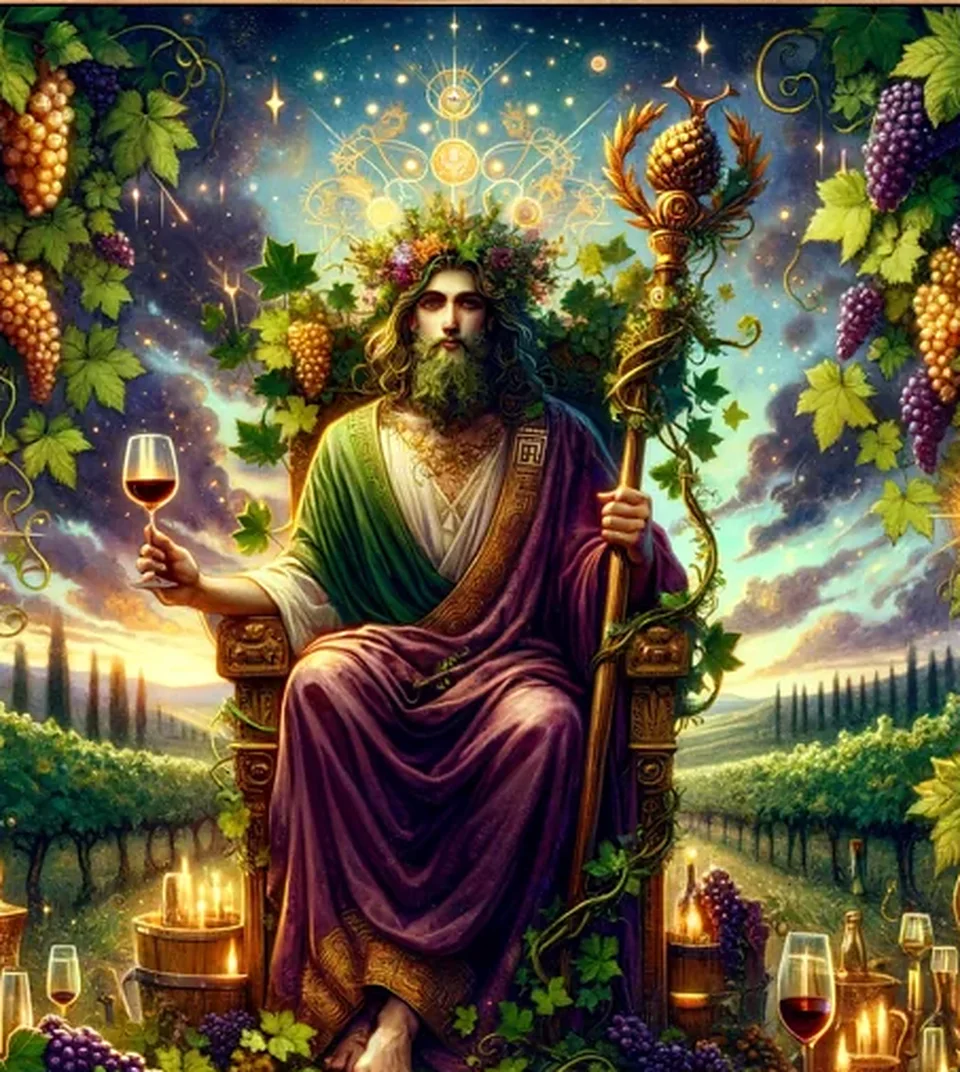
დიონისე ორჯერ დაიბადა: ერთხელ — დედისგან, რომელიც ზევსის ელვამ დაწვა, მეორედ — მამის ბარძაყიდან. ღვინის, თეატრისა და ექსტაზის ღმერთი თავიდანვე ორ სამყაროს შორის დგას: მოკვდავ დედასა და უკვდავ მამას შორის, ქალაქსა და ველურ მთას შორის.
სემელე და ელვა
დიონისეს დედა თებელი სემელეა, მეფე კადმოსის ასული; მამა — ზევსი. ჰერამ სემელეს შეაგონა, ზევსისთვის ეთხოვა, მთელი თავისი დიდებით გამოცხადებულიყო. ზევსმა დანაპირები ვერ დაარღვია, გამოჩნდა ელვით — და სემელე დაიწვა. ზევსმა დაუბადებელი ბავშვი გადაარჩინა, საკუთარ ბარძაყში ჩაკერა და დროზე შვა.
ჰერას ხრიკს აპოლოდოროსი ჰყვება დაწვრილებით. ევრიპიდეს „ბაკქანტების“ დასაწყისში კი დიონისე თავად დგას სემელეს საფლავთან, თებეში, სადაც ელვის ნაკვალევიდან ჯერ კიდევ ბოლი ადის; გუნდი კი მღერის, როგორ დამალა ზევსმა ბავშვი ბარძაყში და ოქროს სამაგრებით შეკრა.[2][4]
ღმერთი, რომელსაც არ იცნობენ
„ბაკქანტებში“ დიონისე მშობლიურ თებეში უცხოდ ბრუნდება. მეფე პენთევსი მას არ აღიარებს, ქალები კი — მაენადები — მთაზე, კითერონზე გარბიან. პენთევსი ქალის სამოსით მათ საჯაშუშოდ მიდის; მაენადები, მათ შორის მისი საკუთარი დედა აგავე, მას ნადირად თვლიან და ნაწილებად გლეჯენ. დედა ბოლოს გონს მოდის და ხედავს, ვისი თავი უჭირავს ხელში.[2]
მეშვიდე ჰომეროსულ ჰიმნში კი მეკობრეები ახალგაზრდა დიონისეს იტაცებენ, რომ მონად გაყიდონ. ხომალდზე ანძას ვაზი ეხვევა, ღმერთი ლომად იქცევა, მეკობრეები ზღვაში ხტებიან და დელფინებად იქცევიან. მხოლოდ მესაჭე, რომელმაც ღმერთი იცნო, გადარჩება.[3]
დიონისე დიდხანს „გვიან შემოსულ“ აღმოსავლურ ღმერთად ითვლებოდა. მაგრამ მისი სახელი — „დი-ვო-ნუ-სო“ — პილოსისა და ხანიას ხაზოვანი B-ს ფირფიტებზე იკითხება, ე.ი. ის ბრინჯაოს ხანის ბერძნებმაც იცოდნენ.
თეატრი
ათენის დიდი დიონისიები გაზაფხულის დღესასწაული იყო, და სწორედ მასზე იდგმებოდა ტრაგედიები და კომედიები — აკროპოლისის ფერდზე, დიონისეს თეატრში. არისტოტელე „პოეტიკაში“ წერს, რომ ტრაგედია დითირამბის — დიონისესადმი გუნდური სიმღერის — წინამძღოლებისგან წარმოიშვა.[5]
ფრიდრიხ ნიცშემ „ტრაგედიის დაბადებაში“ (1872) „აპოლონური“ და „დიონისური“ საწყისები ერთმანეთს დაუპირისპირა: ფორმა და ზომა — და სიმთვრალე, რომელიც საზღვრებს შლის. ეს ფილოსოფიური კონსტრუქციაა და არა ძველი რელიგია, მაგრამ მან დიონისე თანამედროვე კულტურის ერთ-ერთ მთავარ სიმბოლოდ აქცია.
რა არ ვიცით
როგორ წარმოიშვა თეატრი დიონისეს რიტუალიდან, მხოლოდ ზოგადად ვიცით — არისტოტელეს ცნობა მოკლეა, და მკვლევრები მის ინტერპრეტაციაზე დაობენ. უცნობია მაენადების რიტუალების რეალური სახეც: ტრაგედია და ვაზების მხატვრობა გვიჩვენებს მითს, და არა აუცილებლად იმას, რასაც ქალები სინამდვილეში აკეთებდნენ.[5]
ILLUMINISMO-ში: დიონისე ბერძნული ტაროს „კვერთხების მეფეა“ და „თასების ცხრა“ — დასტის ნახვა → · კარტების სტატიები: კვერთხების მეფე, თასების ცხრა
Dionysus was born twice: once from his mother, who was burned by Zeus’s lightning, and again from his father’s thigh. From the start the god of wine, theatre and ecstasy stands between two worlds: between a mortal mother and an immortal father, between the city and the wild mountain.
Semele and the lightning
Dionysus’ mother is Semele of Thebes, daughter of King Cadmus; his father is Zeus. Hera persuaded Semele to ask Zeus to appear to her in all his glory. Zeus could not break his promise, he came as lightning — and Semele burned. Zeus saved the unborn child, sewed him into his own thigh and bore him when the time came.
Apollodorus tells Hera’s trick in detail. At the start of Euripides’ Bacchae Dionysus himself stands at Semele’s tomb in Thebes, where smoke still rises from the mark of the lightning, and the chorus sings how Zeus hid the child in his thigh and closed it with golden pins.[2][4]
A god no one recognises
In the Bacchae Dionysus returns to his native Thebes as a stranger. King Pentheus refuses to recognise him, and the women — the maenads — run off to Mount Cithaeron. Pentheus goes to spy on them dressed as a woman; the maenads, among them his own mother Agave, take him for a wild beast and tear him apart. At the end his mother comes to her senses and sees whose head she is holding.[2]
In the seventh Homeric Hymn, pirates seize the young Dionysus to sell him as a slave. On the ship a vine winds round the mast, the god becomes a lion, the pirates leap into the sea and become dolphins. Only the helmsman, who recognised the god, is spared.[3]
For a long time Dionysus was thought to be a “late”, eastern arrival. But his name — di-wo-nu-so — appears on Linear B tablets from Pylos and Chania, so the Bronze Age Greeks already knew him.
Theatre
The City Dionysia in Athens was a spring festival, and it was there that tragedies and comedies were staged — on the slope of the Acropolis, in the theatre of Dionysus. In the Poetics Aristotle writes that tragedy arose from the leaders of the dithyramb, a choral song for Dionysus.[5]
Friedrich Nietzsche, in The Birth of Tragedy (1872), set the “Apollonian” against the “Dionysian”: form and measure against an intoxication that dissolves boundaries. This is a philosophical construction, not ancient religion, but it made Dionysus one of the main symbols of modern culture.
What we don’t know
How theatre grew out of Dionysiac ritual we know only in outline — Aristotle’s note is brief, and scholars argue over how to read it. The real form of the maenads’ rites is unknown too: tragedy and vase painting show us the myth, not necessarily what women actually did.[5]
In ILLUMINISMO: Dionysus is the King of Wands and the 9 of Cups of the Greek Tarot — see the deck → · Card articles: King of Wands, Nine of Cups
წყაროებიSources
- Hesiod, Theogony 940–942.
- Euripides, Bacchae 1–63, 88–104, 1043–1152, 1263–1300.
- Homeric Hymn to Dionysus (7).
- Apollodorus, Library 3.4.3.
- Aristotle, Poetics 1449a9–15.
- Linear B tablets PY Xa 102, PY Xa 1419, KH Gq 5; F. Nietzsche, The Birth of Tragedy (1872).
თემა, წყაროების შერჩევა და დასკვნები — ნიკა ხუცურაული. კვლევასა და თარგმანში დახმარებისთვის გამოყენებულია AI; ყოველი ფაქტი წყაროსთან შემოწმდა.Topic, choice of sources and conclusions — Nika Khutsurauli. AI was used to help with research and translation; every fact was checked against its source.