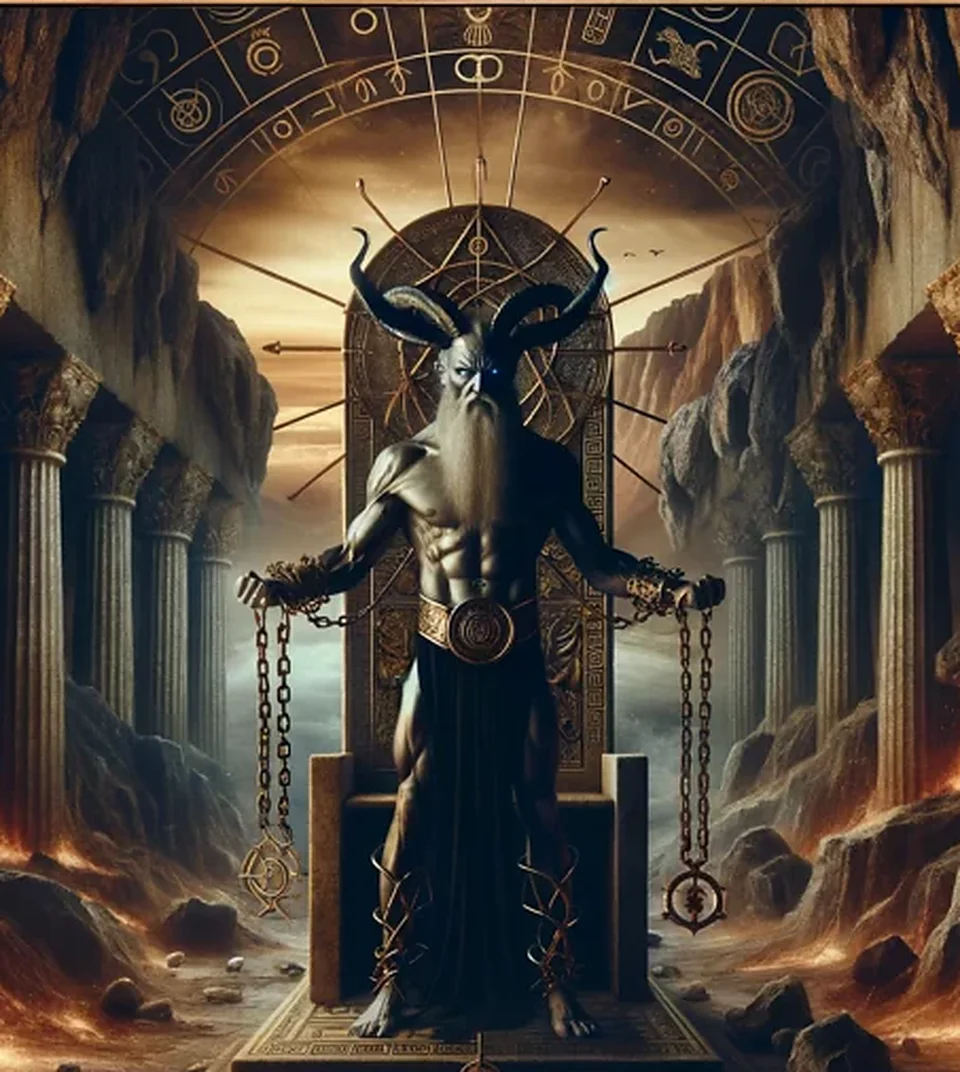
როცა პანი დაიბადა, ძიძამ დაინახა თხის ფეხები, რქები და წვერი — და გაიქცა. მამამ, ჰერმესმა, კი ბავშვი კურდღლის ტყავში გაახვია, ოლიმპოზე აიყვანა და ყველა ღმერთი გაამხიარულა. ასე იწყება ღმერთი, რომლის სახელიდანაც სიტყვა „პანიკა“ მოდის.
არკადიის ღმერთი
ჰომეროსული ჰიმნი პანისადმი მას ჰერმესისა და დრიოპსის ასულის ვაჟად ასახელებს. ის მწყემსების, ფარების, მთებისა და ტყეების ღმერთია; მისი სამშობლო არკადიაა — პელოპონესის მთიანი, ცხვარ-ძროხიანი შუაგული. დღისით ნადირობს, საღამოს კი სალამურზე უკრავს, და ნიმფები მას მთის წყაროებთან ცეკვით ეგებებიან.[1]
ჰიმნის მიხედვით, ღმერთებს ბავშვი ისე მოეწონათ — განსაკუთრებით დიონისეს, — რომ მას პანი დაარქვეს, რადგან „ყველას“ (ბერძნ. პანტას) გაუხარდა. ეს ხალხური ეტიმოლოგიაა: ბევრი მკვლევარი სახელს მწყემსობასთან დაკავშირებულ ძველ ძირს უკავშირებს — დაახლოებით „მწყემსი, მფარველი“.
სალამური და ლერწამი
ოვიდიუსის „მეტამორფოზებში“ პანი ნიმფა სირინქსს მისდევს. ნიმფა მდინარესთან ლერწმად იქცევა, პანი კი ქარის ხმას ლერწამში ისმენს, სხვადასხვა სიგრძის ღეროებს ცვილით აწებებს და საკრავს ნიმფის სახელს არქმევს — სირინქსი, მწყემსის სალამური.[2]
ჰეროდოტე ჰყვება, რომ მარათონის ბრძოლამდე (ძვ. წ. 490) მორბენალ ფილიპიდესს პართენიონის მთაზე პანი გამოეცხადა და ჰკითხა, რატომ არ სცემდნენ ათენელები პატივს. გამარჯვების შემდეგ ათენელებმა აკროპოლისის ქვეშ პანის სიწმინდე დააარსეს და ყოველწლიური მსხვერპლშეწირვა და ჩირაღდნების რბოლა შემოიღეს.[3]
„დიდი პანი მოკვდა“
პლუტარქე წერს, რომ იმპერატორ ტიბერიუსის დროს ეგვიპტელ მესაჭე თამუსს ზღვაზე ხმა მოესმა: როცა პალოდესს მიაღწევ, გამოაცხადე, რომ დიდი პანი მოკვდაო. თამუსმა ეს შესრულა და ნაპირიდან ბევრი ხმის გოდება გაისმა. პლუტარქესთან ეს ამბავი ორაკულების დაკნინებაზე საუბრის ნაწილია; მოგვიანებით ქრისტიანმა ავტორებმა ის ძველი ღმერთების დასასრულად წაიკითხეს.[4]
შუა საუკუნეებიდან ქრისტიანულ ხელოვნებაში ეშმაკმა თხის რქები, ჩლიქები და წვერი მიიღო — პანისა და სატირების ნიშნები. XIX საუკუნეში ელიფას ლევიმ თხისთავიანი „ბაფომეტი“ დახატა, და ტაროს ეშმაკის კარტი ამ ხატს მიჰყვება. ეს გვიანდელი ასოციაციაა: ძველ ბერძნებთან პანი ბოროტების ღმერთი არ იყო.[5]
რა არ ვიცით
პანის მშობლები სხვადასხვა წყაროში სხვადასხვაა. ჰეროდოტე წერს, რომ ბერძნები მას ჰერმესისა და პენელოპეს ვაჟად თვლიდნენ; სხვა ავტორებთან მამა ზევსი ან აპოლონია. უცნობია ისიც, რამდენად ძველია მისი კულტი არკადიაში — ათენში ის მხოლოდ ძვ. წ. 490 წლის შემდეგ გავრცელდა.[3]
ILLUMINISMO-ში: პანი ბერძნული ტაროს „ეშმაკია“ — დასტის ნახვა → · კარტების სტატიები: ეშმაკი
When Pan was born, his nurse saw the goat’s feet, the horns and the beard — and ran away. His father Hermes wrapped the child in a hare’s skin, carried him up to Olympus and delighted all the gods. So begins the god whose name gave us the word “panic”.
The god of Arcadia
The Homeric Hymn to Pan calls him the son of Hermes and a daughter of Dryops. He is the god of shepherds and flocks, of mountains and woods; his homeland is Arcadia — the mountainous, pastoral heart of the Peloponnese. By day he hunts; in the evening he plays his pipes, and the nymphs meet him with dances by the mountain springs.[1]
According to the hymn, the gods liked the child so much — Dionysus most of all — that they named him Pan, because he delighted them “all” (Greek pantas). This is a folk etymology: many scholars connect the name with an old root linked to herding — roughly “herdsman, protector”.
Pipes and reeds
In Ovid’s Metamorphoses Pan chases the nymph Syrinx. At a river she turns into reeds; Pan hears the wind sounding in them, joins reeds of different lengths with wax and gives the instrument the nymph’s name — the syrinx, the shepherd’s pipe.[2]
Herodotus tells that before the battle of Marathon (490 BC) the runner Philippides met Pan on Mount Parthenion; the god asked why the Athenians paid him no honour. After the victory the Athenians founded a shrine of Pan below the Acropolis, with yearly sacrifices and a torch race.[3]
“Great Pan is dead”
Plutarch writes that in the reign of Tiberius an Egyptian pilot named Thamus heard a voice at sea: when you reach Palodes, announce that Great Pan is dead. Thamus did so, and from the shore came the lament of many voices. In Plutarch the story is part of a conversation about why oracles were failing; later Christian authors read it as the end of the old gods.[4]
From the Middle Ages on, the Devil in Christian art took on goat horns, hooves and a beard — the marks of Pan and the satyrs. In the 19th century Éliphas Lévi drew his goat-headed “Baphomet”, and the Devil card of tarot follows that image. This is a late association: for the ancient Greeks Pan was not a god of evil.[5]
What we don’t know
Pan’s parents differ from source to source. Herodotus writes that the Greeks held him to be the son of Hermes and Penelope; other authors make Zeus or Apollo his father. It is also unknown how old his cult in Arcadia is — in Athens it spread only after 490 BC.[3]
In ILLUMINISMO: Pan is The Devil of the Greek Tarot — see the deck → · Card articles: The Devil
წყაროებიSources
- Homeric Hymn to Pan (19) 1–47.
- Ovid, Metamorphoses 1.689–712.
- Herodotus, Histories 6.105; 2.145.
- Plutarch, On the Obsolescence of Oracles 17 (Moralia 419b–e).
- É. Lévi, Dogme et rituel de la haute magie (1854–1856).
- Ph. Borgeaud, The Cult of Pan in Ancient Greece (1988).
თემა, წყაროების შერჩევა და დასკვნები — ნიკა ხუცურაული. კვლევასა და თარგმანში დახმარებისთვის გამოყენებულია AI; ყოველი ფაქტი წყაროსთან შემოწმდა.Topic, choice of sources and conclusions — Nika Khutsurauli. AI was used to help with research and translation; every fact was checked against its source.