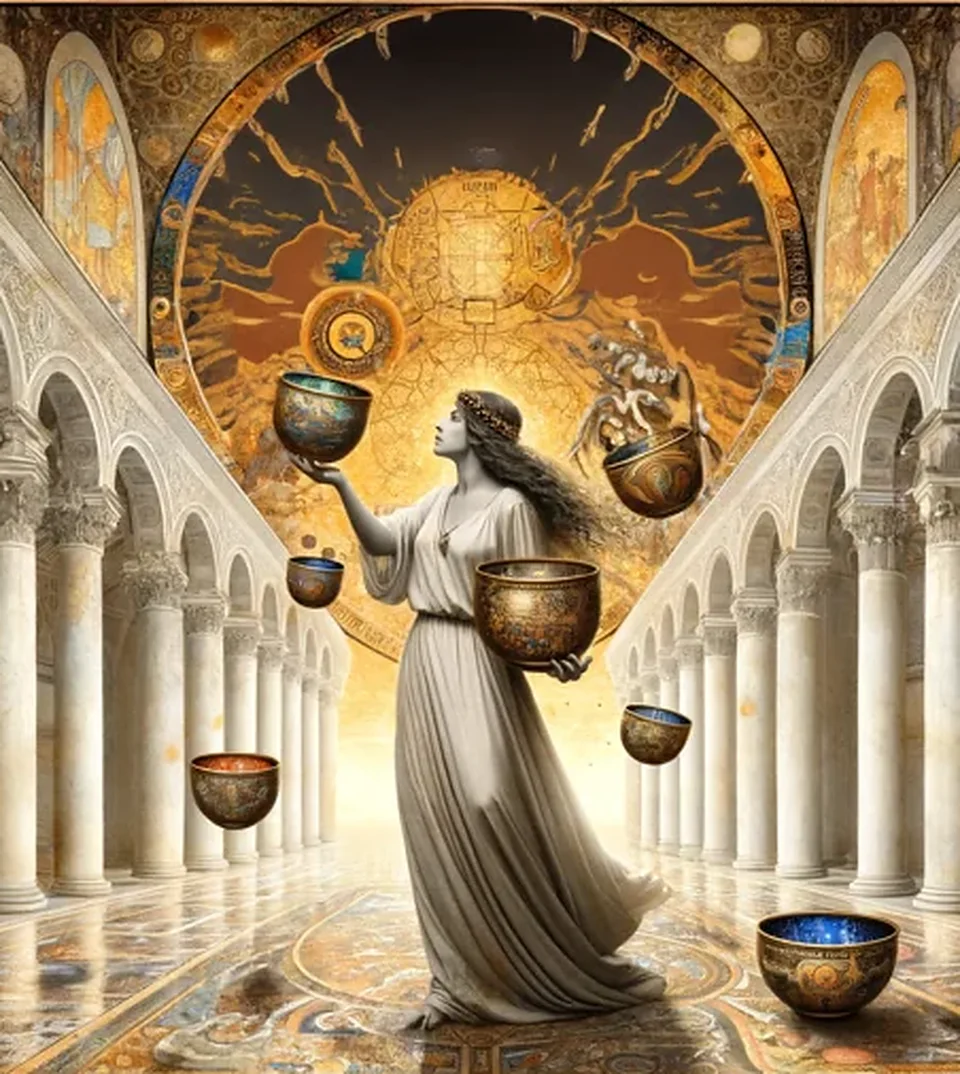
„პანდორას ყუთი“ ყველამ იცის, მაგრამ ჰესიოდესთან ყუთი არ არის. იქ დიდი თიხის ქვევრია — პითოსი, რომელშიც ღვინოსა და მარცვალს ინახავდნენ. ყუთი ორი ათასი წლის შემდეგ, ერთი თარგმანის გამო გაჩნდა.[1][2]
ცეცხლის ფასი
პანდორა პრომეთეს ამბის მეორე ნახევარია. ცეცხლის მოპარვის შემდეგ ზევსი ადამიანებს „ბოროტებას ცეცხლის სანაცვლოდ“ უგზავნის. „თეოგონიაში“ ჰეფესტო მიწისგან ქალს ძერწავს, ათენა მას მოსავს და ამკობს; ჰესიოდე მას „ლამაზ ბოროტებას“ უწოდებს და სახელს არ ასახელებს.[1][2]
„შრომასა და დღეებში“ ამბავი უფრო დეტალურია. ჰეფესტო მიწასა და წყალს ურევს, ათენა ქალს ქსოვას ასწავლის, აფროდიტე მიმზიდველობას აძლევს, ჰერმესი კი — „უტიფარ გონებასა და მზაკვრულ ხასიათს“. სახელს მას ჰერმესი არქმევს: პანდორა, რადგან ოლიმპოს ყველა ღმერთმა მას საჩუქარი უბოძა.[2]
ქვევრი და იმედი
პრომეთემ ძმას, ეპიმეთეს, გააფრთხილა — ზევსისგან საჩუქარი არ მიიღოო. ეპიმეთემ მაინც მიიღო და მხოლოდ მერე მიხვდა. მანამდე ადამიანები უბედურების, მძიმე შრომისა და სნეულების გარეშე ცხოვრობდნენ. პანდორამ ქვევრს სახურავი ახადა და უბედურებები მთელ ქვეყანას მოედო. შიგნით მხოლოდ იმედი — ელპისი — დარჩა, ქვევრის პირის ქვეშ, რადგან პანდორამ სახურავი ზევსის ნებით დროზე დაახურა.
„ყუთი“ ერაზმ როტერდამელისგან მოდის. 1508 წლის „ანდაზების“ კრებულში მან ჰესიოდეს პითოსი (ქვევრი) პიქსისად — პატარა ყუთად — გადმოიტანა. სწორედ ეს ფორმა დამკვიდრდა ევროპულ ენებში.[1][2][5]
სხვა ვერსია
ყველა ძველი ავტორი ამბავს ერთნაირად არ ჰყვება. ბაბრიოსის იგავში ქვევრი სიკეთეებით იყო სავსე: ადამიანმა ის გახსნა, სიკეთეები ღმერთებთან გაფრინდნენ და მხოლოდ იმედი დარჩა. არისტოფანეს „ფრინველებში“ პანდორას ვერძს სწირავენ, და ძველი კომენტატორები ამ სახელს მიწას — „ყოვლის მბოძებელს“ — უკავშირებდნენ.[3][4]
ფრანგმა ისტორიკოსმა ჟან-პიერ ვერნანმა ჰესიოდეს მითი ადამიანის მდგომარეობის ახსნად წაიკითხა: მსხვერპლშეწირვა, ცეცხლი და ქალი ერთად ადგენენ, რომ ადამიანი ღმერთებსა და ცხოველებს შორის ცხოვრობს — მუშაობს, მიწას ამუშავებს და კვდება. ეს ინტერპრეტაციაა; თავად ჰესიოდეს ტექსტში ქალისადმი მტრული ტონი აშკარაა და ბევრი თანამედროვე მკითხველი სწორედ ამას აკრიტიკებს.[1][2]
რა არ ვიცით
ყველაზე დიდი კითხვა იმედს ეხება: რატომ დარჩა ის ქვევრში? ადამიანებისთვის შენახული სიკეთეა, თუ ბოროტებებს შორის ერთ-ერთი, რომელიც, საბედნიეროდ, გარეთ ვერ გამოვიდა? ბერძნული სიტყვა ელპისი მოლოდინსაც ნიშნავს — კარგისასაც და ცუდისასაც. ჰესიოდე პასუხს არ იძლევა, და მკვლევრები დღემდე დაობენ.[1][2]
ILLUMINISMO-ში: პანდორა ბერძნული ტაროს „თასების შვიდია“ — დასტის ნახვა → · კარტების სტატიები: თასების შვიდი
Everyone knows “Pandora’s box”, but in Hesiod there is no box. There is a large clay jar — a pithos, the kind used to store wine and grain. The box appeared two thousand years later, because of one translation.[1][2]
The price of fire
Pandora is the second half of the Prometheus story. After the theft of fire, Zeus sends humans “an evil in exchange for fire”. In the Theogony Hephaestus shapes a woman from earth and Athena dresses and adorns her; Hesiod calls her a “beautiful evil” and gives her no name.[1][2]
Works and Days tells it in more detail. Hephaestus mixes earth and water, Athena teaches the woman to weave, Aphrodite gives her charm, and Hermes gives her “a shameless mind and a deceitful nature”. Hermes also names her: Pandora, because all the gods of Olympus gave her a gift.[2]
The jar and hope
Prometheus had warned his brother Epimetheus never to accept a gift from Zeus. Epimetheus accepted it anyway and understood only later. Until then humans had lived without evils, hard toil or sickness. Pandora lifted the lid of the jar and the evils spread across the world. Only Hope — Elpis — stayed inside, under the rim of the jar, because by Zeus’s will Pandora closed the lid in time.
The “box” comes from Erasmus of Rotterdam. In his 1508 collection of Adages he rendered Hesiod’s pithos (jar) as a pyxis — a small box. That is the form that took root in European languages.[1][2][5]
Another version
Not every ancient author tells the story the same way. In a fable of Babrius the jar was full of good things: a man opened it, the good things flew back to the gods, and only hope remained. In Aristophanes’ Birds a ram is sacrificed to Pandora, and ancient commentators took the name as one for the earth — “the all-giver”.[3][4]
The French historian Jean-Pierre Vernant read Hesiod’s myth as an account of the human condition: sacrifice, fire and woman together establish that humans live between gods and animals — they labour, work the soil and die. This is an interpretation; Hesiod’s own text is plainly hostile to women, and many modern readers criticise exactly that.[1][2]
What we don’t know
The biggest question concerns hope: why did it stay in the jar? Is it a good kept for humans, or one of the evils that luckily never got out? The Greek word elpis also means expectation — of good things and of bad. Hesiod gives no answer, and scholars still argue.[1][2]
In ILLUMINISMO: Pandora is the 7 of Cups of the Greek Tarot — see the deck → · Card articles: Seven of Cups
წყაროებიSources
- Hesiod, Theogony 570–612.
- Hesiod, Works and Days 47–105.
- Babrius, Fables 58.
- Aristophanes, Birds 971.
- Erasmus, Adagia I.i.31 (1508).
- D. and E. Panofsky, Pandora’s Box: The Changing Aspects of a Mythical Symbol (1956); J.-P. Vernant, “The Myth of Prometheus in Hesiod”, in Myth and Society in Ancient Greece (1974).
თემა, წყაროების შერჩევა და დასკვნები — ნიკა ხუცურაული. კვლევასა და თარგმანში დახმარებისთვის გამოყენებულია AI; ყოველი ფაქტი წყაროსთან შემოწმდა.Topic, choice of sources and conclusions — Nika Khutsurauli. AI was used to help with research and translation; every fact was checked against its source.