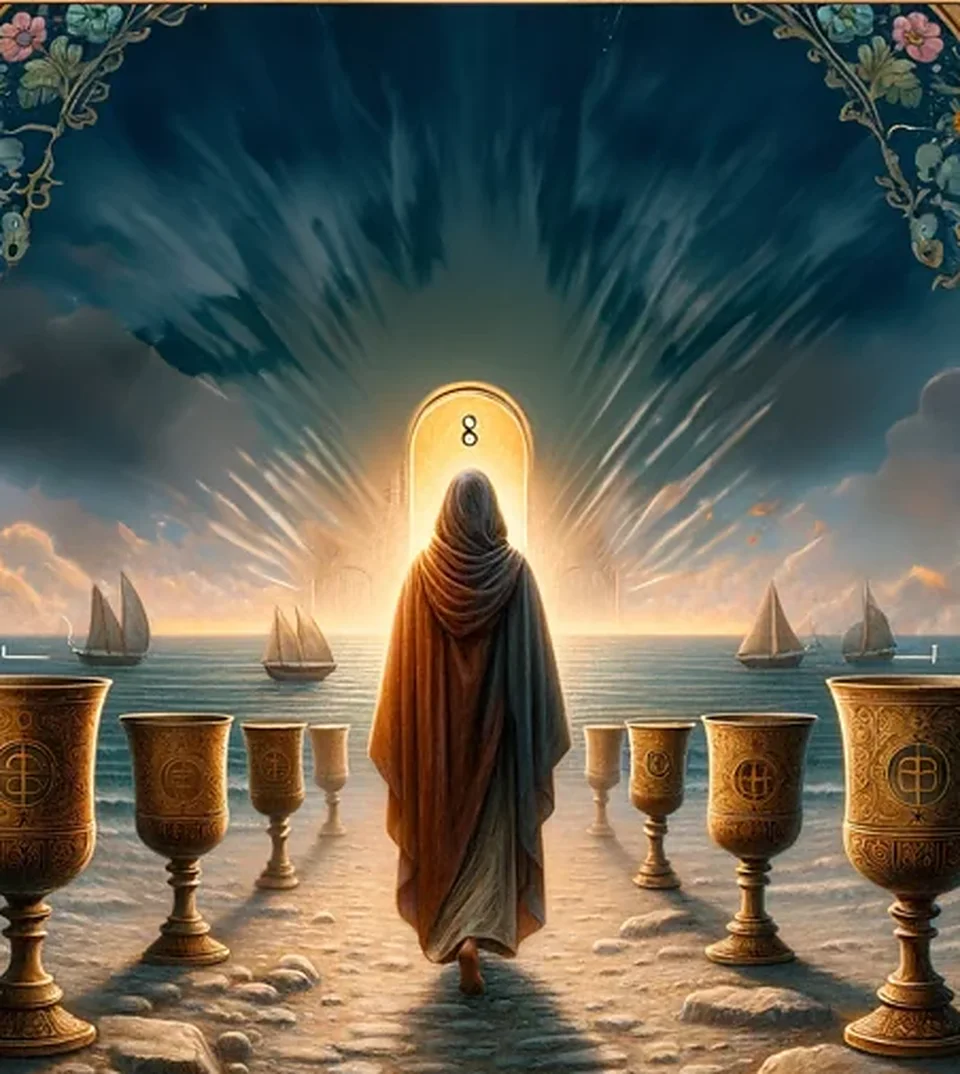
ნიმფა კალიფსო ოდისევსს უკვდავებასა და მარადიულ ახალგაზრდობას სთავაზობს. ის უარს ამბობს — და შინისკენ, მოკვდავი ცოლისკენ, პატარა კლდოვანი კუნძულისკენ, ტივით მიცურავს. „ოდისეის“ მთელი ამბავი ამ არჩევანზე დგას.[1]
„მრავალგზიანი“
პოემის პირველივე სტრიქონში ოდისევსი „პოლიტროპოსია“ — „მრავალგზიანი“, „მრავალმხრივი“: კაცი, რომელიც ბევრს მოგზაურობს და ბევრნაირად ფიქრობს. სახელიც პოემაშივეა ახსნილი: ბაბუამ, ავტოლიკოსმა, ის ზმნიდან „განრისხება“ დაარქვა, რადგან თავად ბევრი განარისხა.
ოცი წელი ითაკაზე არ ყოფილა — ათი ტროასთან იბრძოდა, ათი ზღვაზე დაეხეტებოდა. „ილიადის“ მეათე სიმღერაში ის დიომედესთან ერთად ღამით ტროელთა ბანაკში შედის და თრაკიელი მეფის, რესოსის, ცხენებს იტაცებს. ტროის დაცემაც მისი ხრიკია: „ოდისეაში“ მომღერალი დემოდოკოსი ხის ცხენზე მღერის, რომელშიც ოდისევსი და აქაველი მეომრები იმალებოდნენ.[1][2]
კალიფსოს კუნძული
შვიდი წელი გაატარა ოდისევსმა ოგიგიაზე, კალიფსოსთან. ღმერთებმა ჰერმესი გაგზავნეს, რომ ნიმფას ის გაეშვა. კალიფსო უკანასკნელად სთავაზობს უკვდავებას. ოდისევსი პასუხობს, რომ პენელოპე მასზე ნაკლებად ლამაზია და მოკვდავია — მაგრამ ის მაინც შინ დაბრუნებას ნატრობს. ოთხ დღეში ტივს აგებს და მეხუთეს ზღვაში გადის.
ითაკაზე ოდისევსი მათხოვრის სახით ბრუნდება. პირველი, ვინც მას თავად, უთქმელად ცნობს, მისი ძველი ძაღლი არგოსია: ნაგავზე მწოლი, მოხუცი ძაღლი ყურებს ცქვეტს, კუდს აქნევს — და კვდება.
შინ
სახლში ოდისევსს ასზე მეტი საქმრო ხვდება, რომლებიც პენელოპეს ხელს სთხოვენ და მის ქონებას ჭამენ. მშვილდის შეჯიბრის შემდეგ ის მათ ხოცავს. მაგრამ პენელოპე მას მაშინვე არ ენდობა — საწოლით ცდის: ამბობს, რომ მისი საწოლი გადაიტანონ. ოდისევსი ბრაზდება: საწოლი მან თავად ააშენა ზეთისხილის ცოცხალ ძირზე და მისი გადატანა შეუძლებელია. ეს საიდუმლო მხოლოდ მათ ორს იცოდნენ.
ოდისევსის ამბავი დასავლურ ლიტერატურაში მრავალჯერ გადაიწერა. დანტეს „ჯოჯოხეთში“ ის ცოდნის წყურვილით ჰერაკლეს სვეტებს გადაცურავს და იღუპება; ტენისონის „ულისეში“ (1842) მოხუცი გმირი ისევ ზღვაში გასვლას ნატრობს; ჯოისის „ულისეში“ (1922) ერთი დღე დუბლინში ჰომეროსის გეგმით არის აგებული. ესენი ახალი წაკითხვებია — ჰომეროსის ოდისევსი სახლს ირჩევს.[1][2][3][4]
რა არ ვიცით
„ილიადისა“ და „ოდისეის“ შექმნის გზა — ერთი პოეტი, ბევრი თუ ზეპირი ტრადიცია — დღემდე „ჰომეროსის საკითხია“. „ილიადის“ მეათე სიმღერასაც ჯერ კიდევ ანტიკური კომენტატორები გვიანდელ ჩანართად თვლიდნენ. სადავოა ჰომეროსის ითაკის გეოგრაფიაც: ემთხვევა თუ არა ის თანამედროვე ითაკის კუნძულს.[1][2]
ILLUMINISMO-ში: ოდისევსი ბერძნული ტაროს „თასების რვაა“ და „ხმლების შვიდი“ — დასტის ნახვა → · კარტების სტატიები: თასების რვა, ხმლების შვიდი
The nymph Calypso offers Odysseus immortality and endless youth. He refuses — and sails home on a raft, to a mortal wife and a small rocky island. The whole story of the Odyssey rests on that choice.[1]
“Of many turns”
In the poem’s very first line Odysseus is polytropos — “of many turns”: a man who travels far and thinks in many ways. Even his name is explained in the poem: his grandfather Autolycus named him from a verb meaning “to be angry”, because he himself had angered many.
He was away from Ithaca for twenty years — ten fighting at Troy, ten wandering at sea. In book 10 of the Iliad he slips into the Trojan camp at night with Diomedes and drives off the horses of the Thracian king Rhesus. The fall of Troy is his trick too: in the Odyssey the singer Demodocus sings of the wooden horse in which Odysseus and the Achaean warriors hid.[1][2]
Calypso’s island
Odysseus spent seven years on Ogygia with Calypso. The gods sent Hermes to make the nymph let him go. Calypso offers him immortality one last time. Odysseus answers that Penelope is less beautiful than she and is mortal — yet still he longs to return home. In four days he builds a raft, and on the fifth he puts out to sea.
Odysseus returns to Ithaca disguised as a beggar. The first to know him unaided is his old dog Argos: lying on a dung heap, the old dog pricks up his ears, wags his tail — and dies.
Home
At home Odysseus finds more than a hundred suitors courting Penelope and eating up his property. After the contest of the bow he kills them. But Penelope does not trust him at once — she tests him with the bed: she tells the servants to move it. Odysseus is furious: he built the bed himself on the living trunk of an olive tree, and it cannot be moved. Only the two of them knew this secret.
Odysseus’ story has been rewritten many times in Western literature. In Dante’s Inferno he sails past the Pillars of Heracles out of a thirst for knowledge and perishes; in Tennyson’s “Ulysses” (1842) the old hero longs to put out to sea again; in Joyce’s Ulysses (1922) one day in Dublin is built on Homer’s plan. These are new readings — Homer’s Odysseus chooses home.[1][2][3][4]
What we don’t know
How the Iliad and the Odyssey came to be — one poet, several, or an oral tradition — remains “the Homeric question”. Book 10 of the Iliad was already considered a later insertion by ancient commentators. Homer’s geography of Ithaca is disputed too: whether it matches the modern island of Ithaca.[1][2]
In ILLUMINISMO: Odysseus is the 8 of Cups and the 7 of Swords of the Greek Tarot — see the deck → · Card articles: Eight of Cups, Seven of Swords
წყაროებიSources
- Homer, Odyssey 1.1; 5.1–262; 7.259; 8.492–520; 16.245–253; 17.290–327; 19.406–409; 23.177–204.
- Homer, Iliad 10.
- Dante, Inferno 26.
- A. Tennyson, “Ulysses” (1842); J. Joyce, Ulysses (1922).
თემა, წყაროების შერჩევა და დასკვნები — ნიკა ხუცურაული. კვლევასა და თარგმანში დახმარებისთვის გამოყენებულია AI; ყოველი ფაქტი წყაროსთან შემოწმდა.Topic, choice of sources and conclusions — Nika Khutsurauli. AI was used to help with research and translation; every fact was checked against its source.