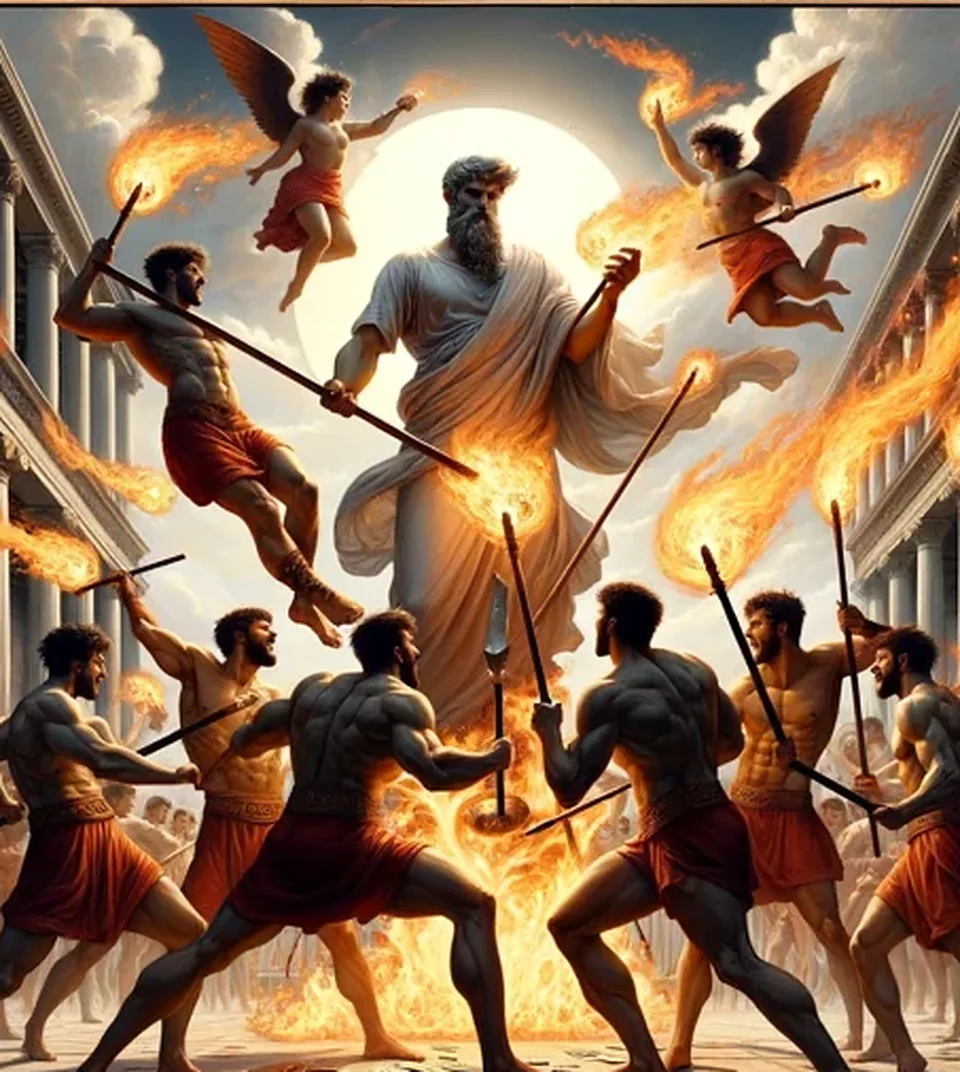
„ილიადაში“ ზევსი საკუთარ შვილს ეუბნება: ოლიმპოს ღმერთებს შორის შენ ყველაზე მეტად მძულხარ, რადგან მუდამ ჩხუბი, ომი და ბრძოლა გიყვარს. ომის ღმერთი, არესი, ბერძნულ მითში იშვიათად არის გმირი — უფრო ხშირად ის ძალაა, რომელსაც თავად ღმერთებიც ერიდებიან.[1]
ზევსისა და ჰერას ვაჟი
ჰესიოდესა და ჰომეროსთან არესი ზევსისა და ჰერას ვაჟია. აფროდიტესთან მას ფობოსი და დეიმოსი — შიში და ძრწოლა — ჰყავს, და ასული ჰარმონია. ჰომეროსი მას თრაკიას უკავშირებს — ჩრდილოეთის მეომარ მხარეს, საიდანაც ის ბრძოლაში მოდის და სადაც მარცხის შემდეგ ბრუნდება.[1][2][3]
დაჭრილი ღმერთი
„ილიადის“ მეხუთე სიმღერაში არესი ტროელების მხარეს იბრძვის. ათენა ბერძენ დიომედეს შუბს წარმართავს, და შუბი ღმერთს მუცელში ერჭობა. არესი ისე ღრიალებს, როგორც ცხრა ან ათი ათასი მეომარი ერთად. ოლიმპოზე ის მამას უჩივის, ზევსი კი საყვედურით პასუხობს — და მაინც ღმერთების მკურნალს, პაიონს, უბრძანებს, რომ განკურნოს. ოცდამეერთე სიმღერაში ათენა მას ქვას ესვრის, და დაცემული არესი შვიდ პლეთრს — დაახლოებით ორას მეტრს — ფარავს.[1]
ათენის არეოპაგი — „არესის ბორცვი“ — ტრადიციით სწორედ არესის სახელს ატარებს. აპოლოდოროსისა და პავსანიასის მიხედვით, აქ პირველი მკვლელობის სასამართლო გაიმართა: არესი პოსეიდონის ვაჟის მოკვლისთვის გაასამართლეს, რომელმაც მისი ასული შეურაცხყო, და ღმერთი გაამართლეს.[4]
კოლხეთის კორომი
ქართველი მკითხველისთვის საინტერესოა, რომ აპოლონიოს როდოსელის „არგონავტიკაში“ ოქროს საწმისი კოლხეთში, არესის წმინდა კორომში, მუხაზე ეკიდა, და მას უძინარი დრაკონი დარაჯობდა. იასონს ის სწორედ არესის კორომიდან გამოაქვს.[5]
რომაულ მარსს, რომელიც არესს გაუთანაბრეს, სრულიად სხვა ადგილი ეკავა: ის რომულუსის მამა და სახელმწიფოს მფარველი იყო, ხოლო მისი თვე, მარტი, წელიწადს იწყებდა. მკვლევრები ხშირად აღნიშნავენ, რომ ბერძნები ომს ღმერთად თავს ევლებოდნენ, რომაელები კი ომს ღირსებად სცემდნენ თაყვანს. ეს განზოგადებაა და არა წყაროს ციტატა.
რა არ ვიცით
არესის სახელი ხაზოვან B-შიც ჩანს — კნოსოსის ფირფიტაზე, „ა-რე“, — თუმცა ის შეიძლება ღმერთის სახელი კი არა, ზოგადად „ომი“ ან სხვა ღვთაების ეპითეტი იყოს. უცნობია ისიც, რატომ ჰქონდა ომის ღმერთს საბერძნეთში ასე ცოტა ტაძარი.[6]
ILLUMINISMO-ში: არესი ბერძნული ტაროს „კვერთხების ხუთია“ და კიდევ ოთხ კარტზე ჩანს — დასტის ნახვა → · კარტების სტატიები: კვერთხების ხუთი, კვერთხების რაინდი, ხმლების ხუთი, ხმლების ცხრა, ხმლების მეფე
In the Iliad Zeus says to his own son: of all the gods on Olympus you are the most hateful to me, for strife, war and battle are always dear to you. Ares, god of war, is rarely a hero in Greek myth — more often he is a force that even the gods avoid.[1]
Son of Zeus and Hera
In Hesiod and Homer, Ares is the son of Zeus and Hera. With Aphrodite he has Phobos and Deimos — Fear and Terror — and a daughter, Harmonia. Homer links him to Thrace, the warlike land to the north, from which he comes to battle and to which he returns after defeat.[1][2][3]
A wounded god
In book 5 of the Iliad Ares fights on the Trojan side. Athena guides the spear of the Greek Diomedes, and the spear drives into the god’s belly. Ares roars like nine or ten thousand warriors at once. On Olympus he complains to his father; Zeus answers with reproach — yet still orders Paeon, the gods’ healer, to cure him. In book 21 Athena strikes him with a stone, and the fallen Ares covers seven plethra — about two hundred metres.[1]
The Areopagus of Athens — “the hill of Ares” — by tradition bears his name. According to Apollodorus and Pausanias, the first murder trial was held there: Ares was tried for killing a son of Poseidon who had violated his daughter, and the god was acquitted.[4]
The grove in Colchis
For Georgian readers it is notable that in Apollonius of Rhodes’ Argonautica the Golden Fleece hung on an oak in Colchis, in the sacred grove of Ares, guarded by a sleepless dragon. Jason takes it from that very grove.[5]
The Roman Mars, who was equated with Ares, held a quite different place: he was the father of Romulus and a protector of the state, and his month, March, began the year. Scholars often note that the Greeks kept the god of war at a distance, while the Romans honoured war as a virtue. This is a generalisation, not a quotation from a source.
What we don’t know
The name of Ares also appears in Linear B — a-re on a tablet from Knossos — though it may mean not the god but “war” in general or an epithet of another deity. It is also unknown why the god of war had so few temples in Greece.[6]
In ILLUMINISMO: Ares is the 5 of Wands of the Greek Tarot and appears on four more cards — see the deck → · Card articles: Five of Wands, Knight of Wands, Five of Swords, Nine of Swords, King of Swords
წყაროებიSources
- Homer, Iliad 5.825–906; 13.298–303; 21.391–414.
- Hesiod, Theogony 921–922, 933–937.
- Homer, Odyssey 8.266–366.
- Apollodorus, Library 3.14.2; Pausanias, Description of Greece 1.21.4, 1.28.5.
- Apollonius of Rhodes, Argonautica 2.403–407; 4.123–166.
- Linear B tablet KN Fp 14 (Knossos).
თემა, წყაროების შერჩევა და დასკვნები — ნიკა ხუცურაული. კვლევასა და თარგმანში დახმარებისთვის გამოყენებულია AI; ყოველი ფაქტი წყაროსთან შემოწმდა.Topic, choice of sources and conclusions — Nika Khutsurauli. AI was used to help with research and translation; every fact was checked against its source.